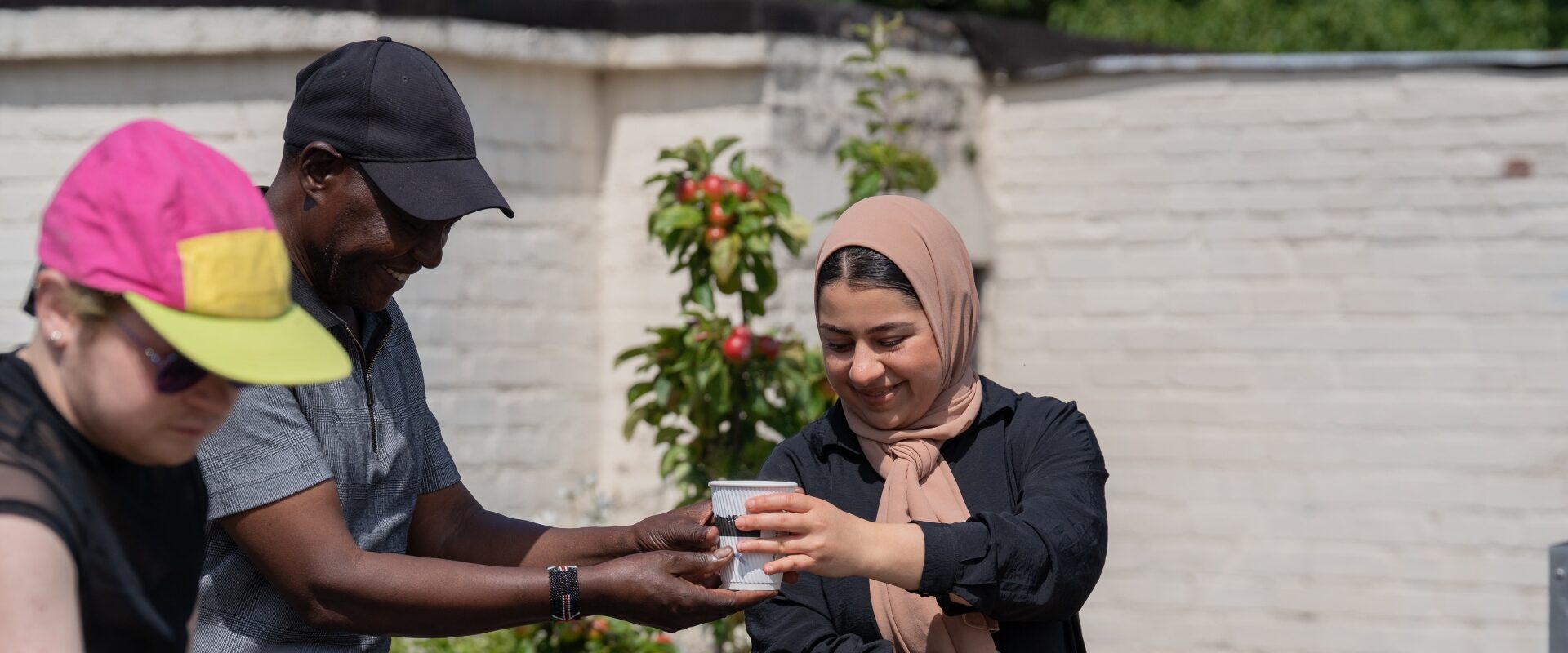
Three people share tea and chat on a summers day. The lady wears a light-brown headscarf, whilst both men wear caps. An apple tree laden with fruit grows behind them against a white garden wall.

Growing roots for equity and inclusion

24-03-2026

Get started with...

Guidance

Mòr Diversity, a specialist equity, inclusion, belonging and anti-racism consultancy, shares tools and techniques to help level the playing field and make nature accessible to all.
Accessibility - Equality diversity and inclusion

©National Trust Images / Rebecca Hughes

Working with diverse communities

Nature has the power to make us healthier and happier. How we access and experience these benefits varies greatly from person to person, and is influenced by socioeconomic factors such as where we live, different cultural backgrounds and health and wellbeing.

Equity in the outdoors is about recognising that, like many aspects of our daily lives, we’re not all at the same start line.

It’s vital that organisations working to bring nature to urban areas think about how to level the playing field and help everyone from their local communities feel welcome in these potentially unfamiliar spaces.

This guide is a taster of a webinar series by Aneela McKenna, founder of Mòr Diversity, for Nature Neighbourhoods in 2024. From building the foundations for inclusion to allyship, it is designed to give an overview of what equity, diversity and inclusion (EDI) mean in a community context and their role in making nature accessible to all.

Check back later this year to watch recordings from the series, with more detail on each of the topics below. Join our newsletter to hear when they’re available.
Rooting for equity: the foundation for inclusion

Aneela’s first webinar explored what we mean when we talk about equality, diversity, and inclusion in communities.

The session introduced the ‘belonging continuum’ to help organisations define the groups that make up their community and spot the potential to include new ones. There is also a framework to plant the seeds for equity and a breakdown of what the stages of inclusion look and feel like for the people involved.

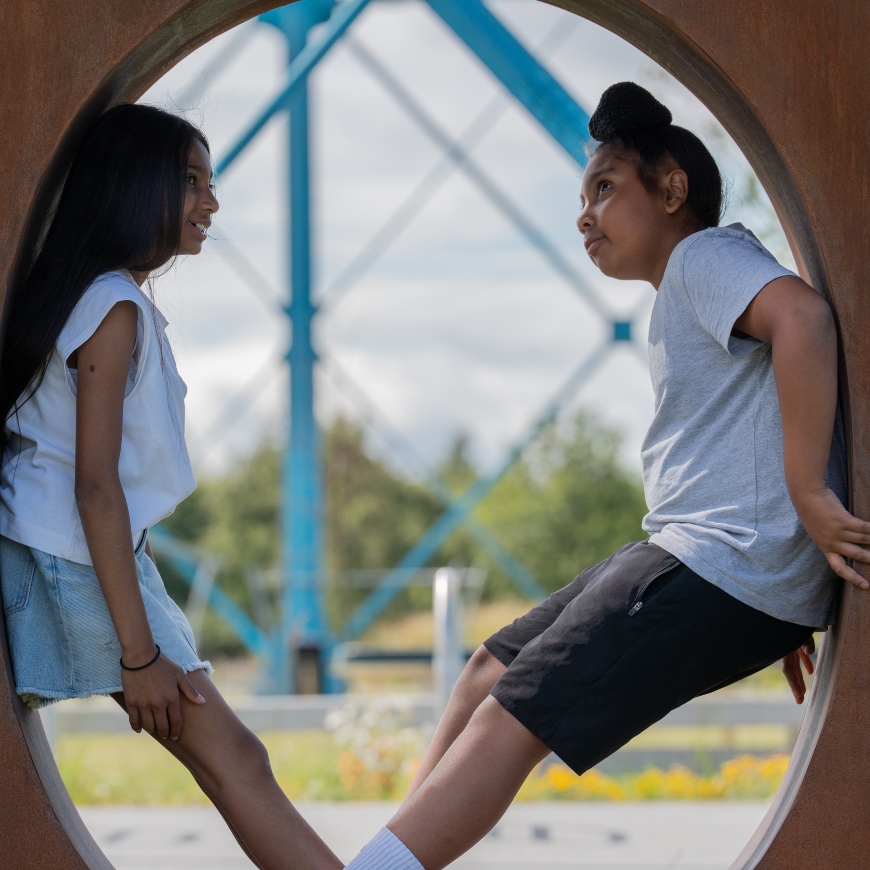
Two children stand in a large, metal letter 'O' in the middle of an urban park.

©National Trust Images / Rebecca Hughes

Cultivating inclusion: a respectful workplace 

This session looked at how an inclusive culture inside lays the foundation for more welcoming and inclusive green spaces outside.

Aneela led participants from community-based organisations to think about inclusion within their own settings. They discussed how to build courage and safe spaces to have uncomfortable conversations, and the importance of challenging each other and their usual way of doing things along the way.

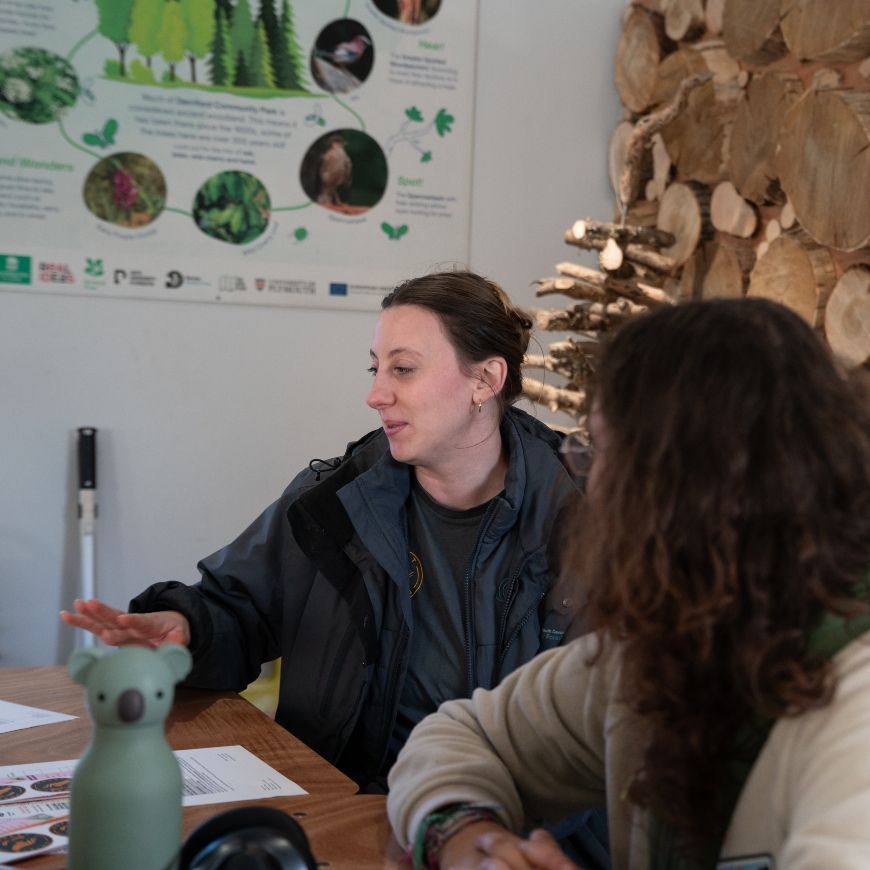
A lady sits at a desk, chatting to a person sat beside her. A stack of logs and poster with trees on it sit behind them. They look to be having a purposeful but positive chat.

©National Trust Images / Sophie Bolesworth

Welcoming everyone: community engagement ‘done right’

This webinar looked at how to amplify underrepresented voices, working with communities to bring the benefits of nature to their doorsteps.

Learn how everyone can participate in decisions that affect their quality of life, by challenging inequalities around language, access, resources, and historical trauma. Once available, the recording will introduce three organisational leaders championing inclusion in the outdoors and their experiences of community engagement ‘done right’.

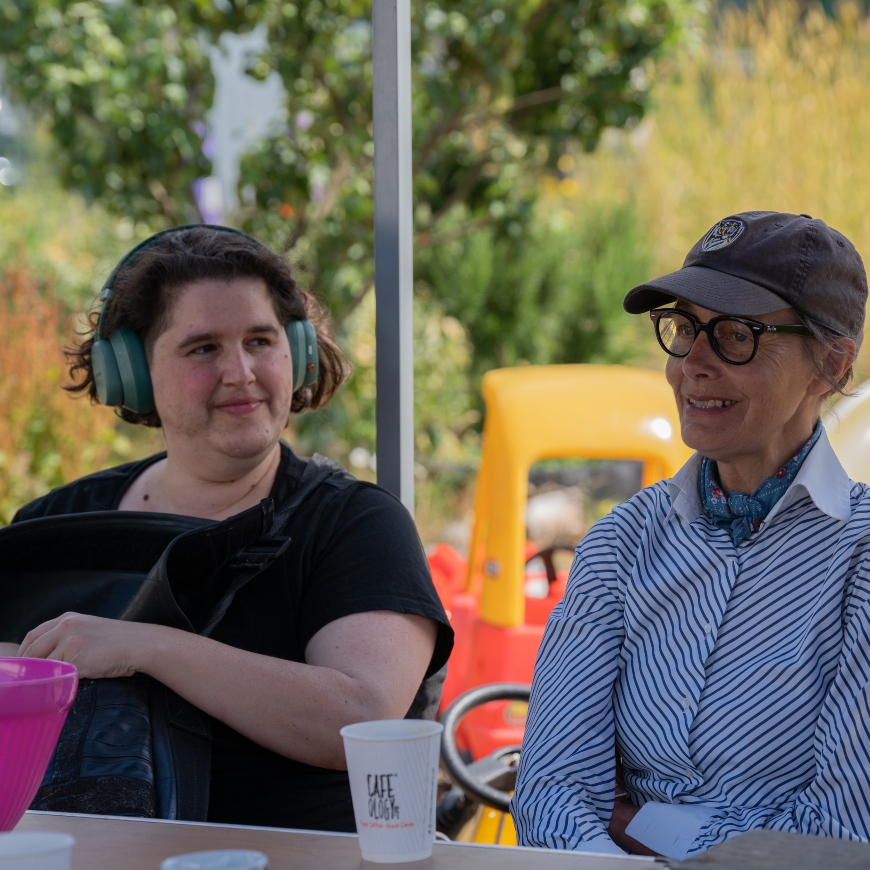
Two women sit at a bench, relaxing over a cup of tea. One wears a sunhat and the other has green headphones. It's a lovely summers day with lush greenery behind them.

©National Trust Images / Rebecca Hughes

Connecting communities: tolerance and trust

Aneela introduced ways to connect with different people in your area by building trust, communicating effectively and working together on nature projects.

The session explored the meaning of ‘community cohesion’ and ways to achieve it through nature-based activities like gardening, shared meals, and exploration of green spaces. There was also a spotlight on how to tackle conflict when it arises through active bystander intervention.

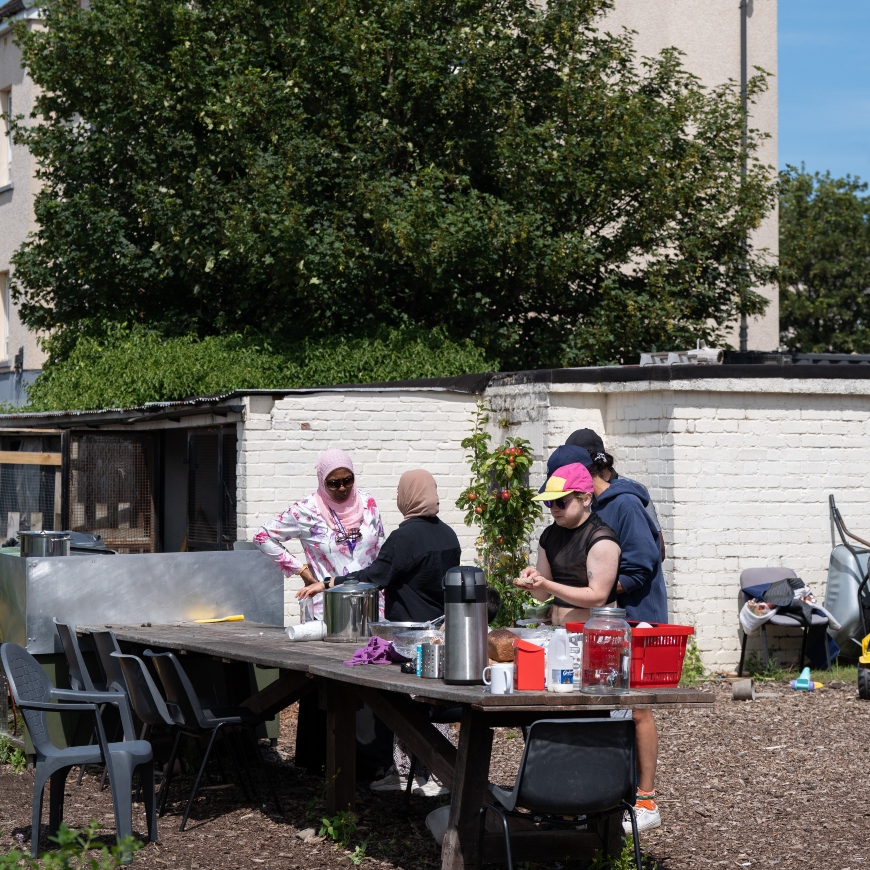
A group of people from diverse cultures share a meal together in a community garden. It looks like a relaxed, chatty event with everyone having a role to play.

©National Trust Images / Rebecca Hughes

Resolving conflicts: allyship and action

This session continued the theme of conflict resolution, looking at how to tackle difficult situations through allyship and action.

It’s impossible to avoid conflict but there are ways to positively manage it. The webinar introduced ‘The Privilege Walk’ to understand how benefits and resources in a community can be distributed unequally and where this can lead to conflict. Mòr Diversity’s allyship toolkit is available to help people show up and intervene for neighbours who might lack these privileges themselves.

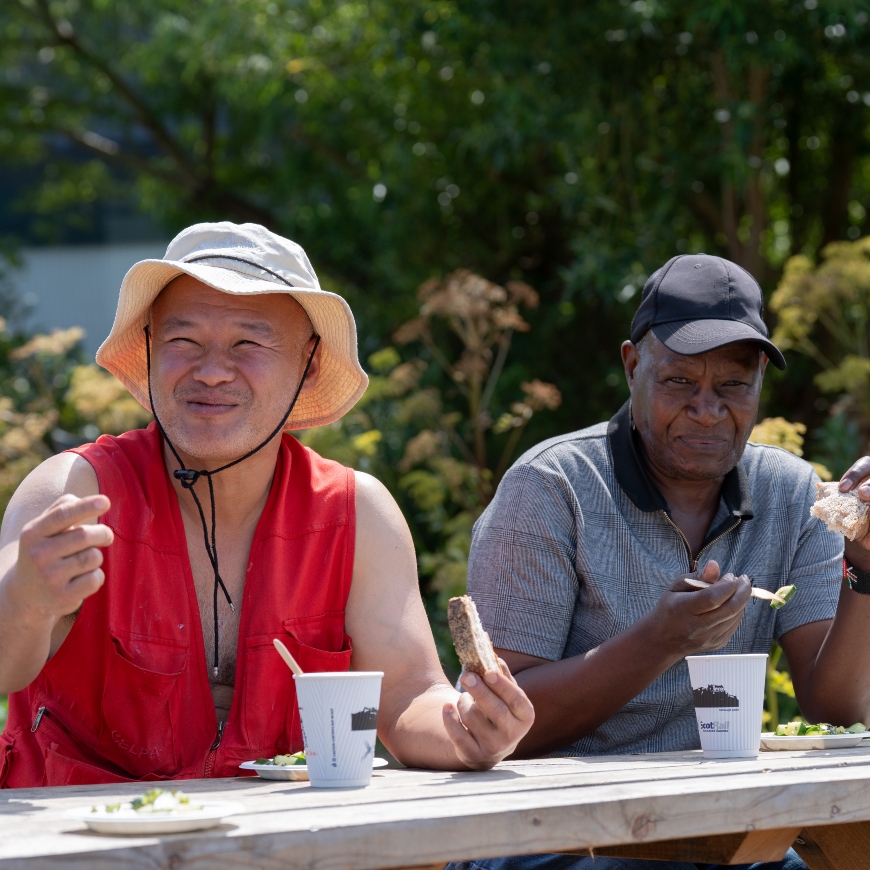
A couple of men sit at a wooden bench on a summers day. They're tucking into tea and biscuits and look to be sharing a joke.

©National Trust Images / Rebecca Hughes

Nature for all: inclusive and accessible events

This session explores the importance of creating welcoming and equitable experiences for all, and how to go about it.

Learn how to plan inclusive events that are accessible for everyone. Click the link to cross reference event plans with Mòr Diversity’s accessibility checklist. Plus people with lived experience spending time in nature on their own terms tell their story.

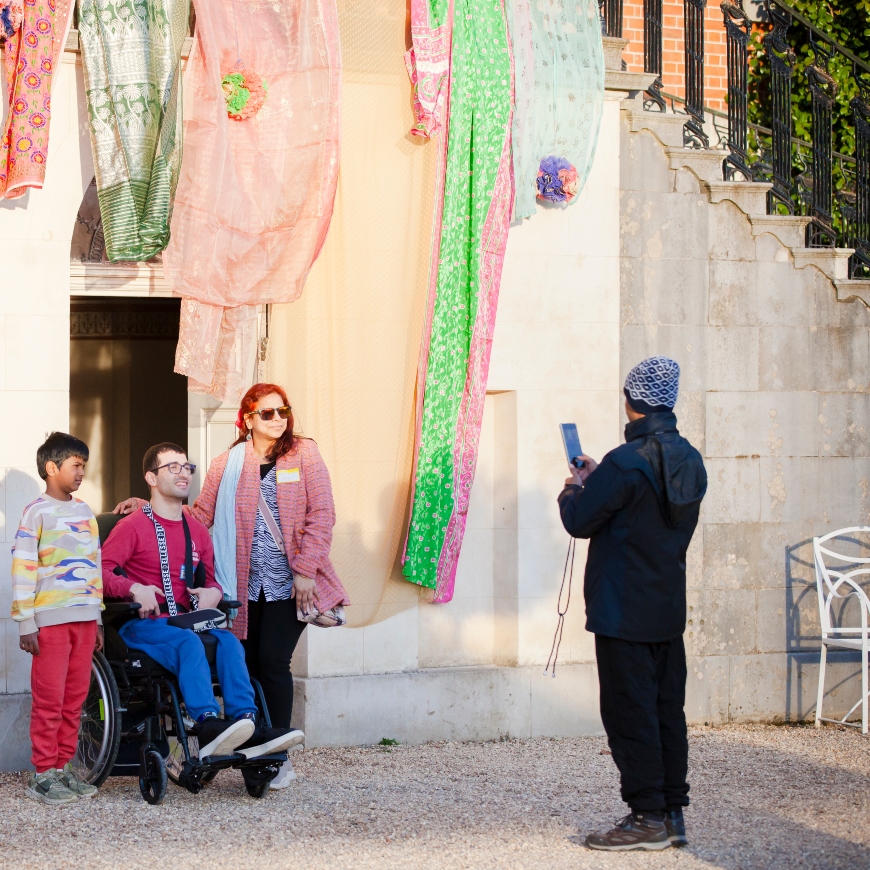
A group of three pose for a photo against a wall decorated with beautiful fabric hangings. They're a mixed group including a young boy and a man in a wheelchair.

©National Trust Images / Megan Taylor

The article you have just read is part of a series created by Nature Neighbourhoods.

Nature Neighbourhoods was a national partnership programme between the National Trust, RSPB and WWF, funded by the National Lottery Community Fund and the Co-op.

The programme’s big idea was to work alongside 18 community organisations over 2 years, helping them co-create people-powered plans for nature in their own neighbourhoods.

Each collaborative plan was firmly rooted in whatever nature and climate actions are most important to the people living and working there. And they were brought to life with Nature Neighbourhood’s funding, support and training.