Nature makers: Emily Cutts
26-03-2026
Meet the nature makers
©National Trust Images / Megan Taylor
26-03-2026
Meet the nature makers
©National Trust Images / Megan Taylor
In conversation with Emily Cutts
Director of G20 Youth Project
The G20 Youth Project (G20) in Glasgow is opening doors for young people to get out into the great outdoors. The team is creating safe natural spaces for positive experiences to help young people grow, heal and thrive in the face of tough challenges in their lives and the wider community.
Back in 2012, Emily realised there was nowhere in her neighbourhood – Glasgow’s G20 district – for children to play outside safely, despite government policies promoting time in nature.
So, passionate about getting young people into the outdoors, she rolled up her sleeves and did something about it.
The shoots of G20 sprang from her Children’s Wood project, which brought schools and playgroups outdoors for a range of experiences to support their learning. The project evolved through a campaign to transform an old football pitch into safe green space for local people to use and spend more time in nature.
Emily started to introduce accessible, safe green space to people who might not already have this as part of their day to day lives. This included connecting with 22 local schools and nurseries who could use the space for outdoor learning, with natural features like a treehouse and a mud kitchen giving some young residents the chance to get hands on with nature for the first time. These sessions still run weekly at the Children’s Wood.
Emily talks to us about how she has built upon this connection to nature, offering opportunities in and beyond the city for G20s older children and young adults to be heard, included, valued and supported through nature.
Emily explains the importance of meeting young people where they’re at in their lives, finding out what’s missing and giving nature the time and space to become their teacher and healer.
Click on each section to see how G20 has turned challenges into opportunities.
When young people started misusing the Children’s Wood land, understandably there was unease in the wider community. But Emily knew there would be reasons they were acting this way.
Emily says, “The behaviour included things like starting fires with Christmas trees and jumping over them, which caused some worry for locals.”
“It’s very easy to judge young people and make broad generalisations, so we always listen first and try to understand why this behaviour is happening.”
Living in a deprived urban area often means hardship and disadvantage are not far away. G20 is always there and ready to listen, no matter how traumatised a person may be by their experiences.
“We needed to find out what the issues were,” she continues. “So we got to know them and very, very quickly realised there was no safe space, a lot of trauma and exclusion from many places, including schools.”
Hearing what’s going on with a young person’s life first-hand gives a real insight into what genuinely matters to them. It’s about understanding where they’re coming from, appreciating the barriers they’re facing and giving them space to catch their breath and start being themselves.
Emily’s trauma-informed approach welcomes them into a mutually supportive community, reaching out to them through nature-based experiences.
“A fundamental thing about our project at G20 is we start exactly where the young person is.”
Emily highlights again the importance of keeping it real, “It might not be where people want them to be, but that’s where they are and that’s where we start.”
There’s a whole world of nature-based activities that many young people in G20’s neighbourhood have never had the opportunity to try.
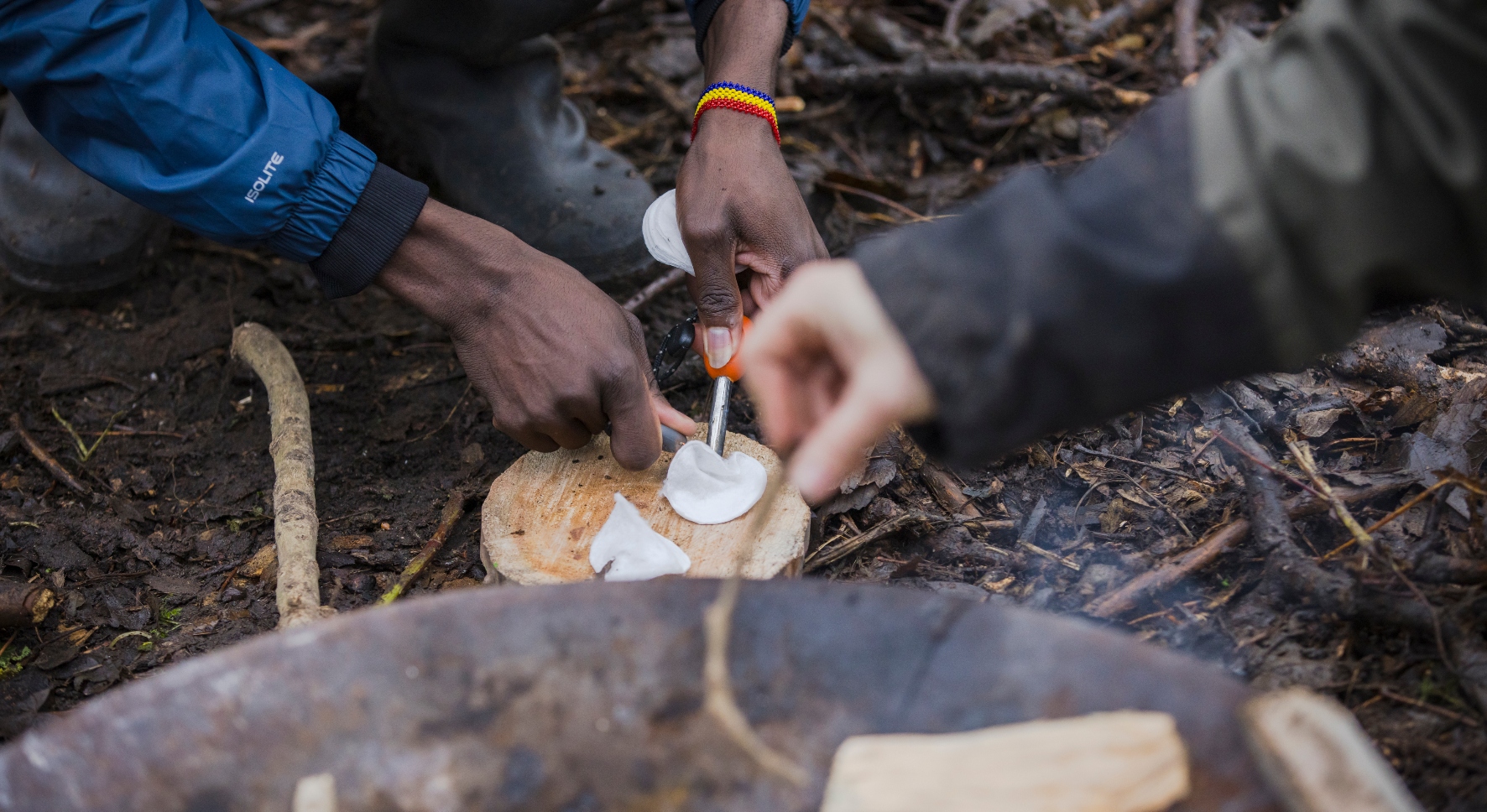
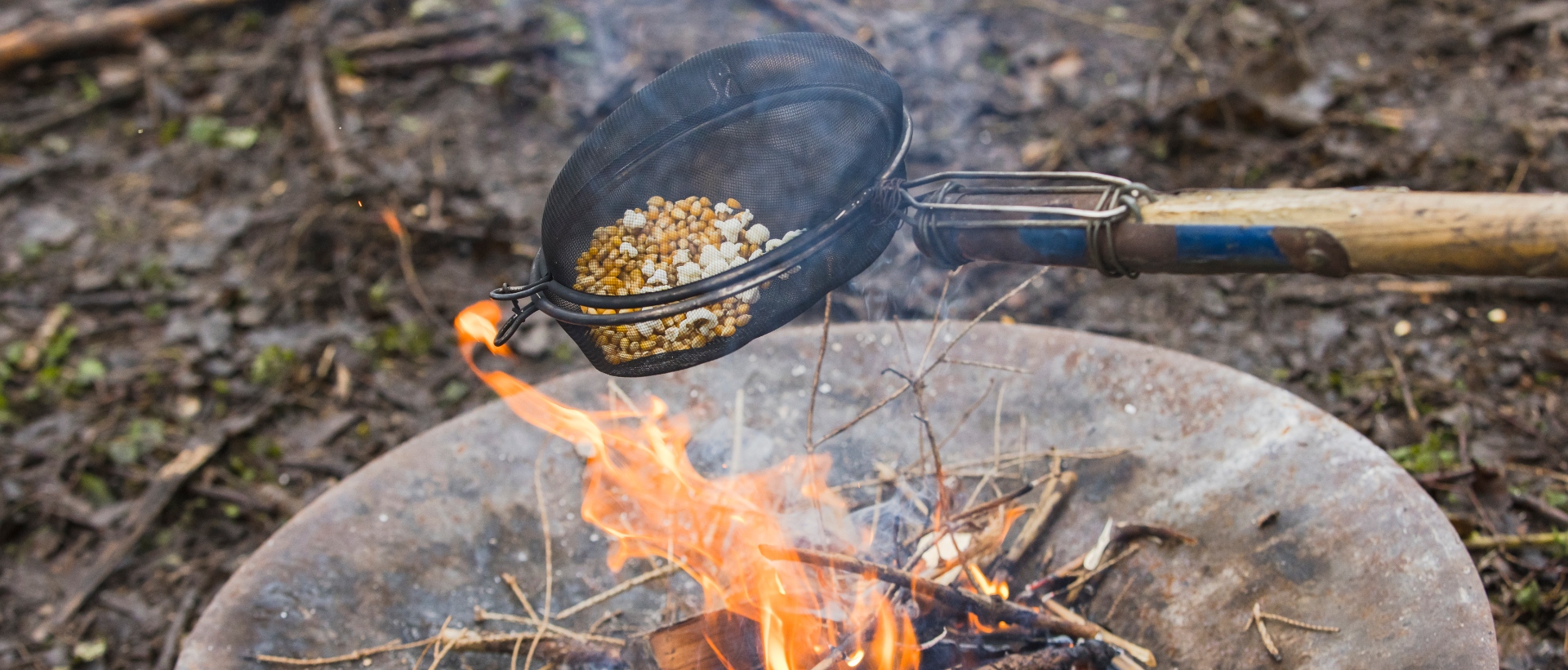
“We started working with the young people to see if they were interested in things like Forest School” she says, “and they seem to really love doing things like having a fire, moving soil around, lying in a hammock and doing the camping kettle.”
The novelty of doing something new in the fresh air made a real impact, “They were getting a real buzz out of doing things they’d never done before.”
Connecting with young people’s core interests through nature-based activities is an effective way of engaging them on their terms, whilst ensuring their wellbeing is the main focus.
Emily says, “We found ways to let them take risks without getting into serious danger.”
“What’s more, we are actually educating them about how to use tools, how to safely have a fire and how to safely put out a fire and leave no trace.”
From finding a new feeling of calm to the natural buzz of discovering skills out in the wild, Emily highlights some of the different ways young people are benefitting from time in nature.
The calming effect of nature helps combat the everyday stresses on young people. “Creating as calm and nurturing an environment as possible gets the best out of people and people feel good. Being in a calm state makes it easier to learn, connect with others and build relationships.”
Nature offers experiences that push boundaries safely. “The outdoors is ideal because you can actually take risks and have a real good buzz without resorting to drugs or violence.”
Exploring beyond their local community introduces young people to whole new worlds. “Some children had never seen a horse before, had never been camping or been in the water – experiences you kind of take for granted.”
Nature is full of positive tools that they can use in their lives. “We’ve been cold water swimming, forest bathing, and even up Ben Nevis. These are tools that will help them going forward with resilience and managing the ups and downs of life.”
Experiencing nature outside of the city has also proven beneficial to young people living in urban places. “Here at G20, we take young people up to the Campsies. It isn’t actually that far from Glasgow, but it feels a million miles away. The young people can relax, get involved with outdoor activities, and learn ranger skills. The stress just pours off people’s bodies; they can get away from it all.”
The benefits continue when you bring reminders of nature into indoor spaces. “In our café we’ve covered the whole wall with an image of a woodland and we’re bringing other nature-inspired elements into the building to create a calming environment, so people can remember those connections with nature when we’re back here in the stress of everyday life. And we still have that everyday connection to the natural world with the river and the canal right next to us.”
Like many small community organisations, long-term sustainability is always front of mind for G20. Emily reflects on their funding journey, from one-off donations to longer-term financial support to help them grow and grow.
With funding coming in, G20 is able to extend its reach, helping more and more young people navigate better futures with nature’s guiding hand.
Emily shares some of their projects, plans and pathways that are leading the way.
Emily tells us how the community garden and their community café is playing an important role in bringing young people and vulnerable people together.
“That feeling of community and helping others is a big part of our projects as well, so the young people like to cook food and deliver ‘hope meals’ to the community, including many vulnerable people. We run Café Hope which delivers affordable food for the community, provides jobs to local people and has helped change people’s perceptions of young people.”
G20 is using nature to nurture connections between young people and others in the community who can empathise with their experiences. They also understand the importance of having youth workers who have lived and breathed some of the same issues.
“We bring in people who are passionate about nature, have maybe come from where the young people come from or have experienced some of the things they might have experienced.”
Emily observes that having this type of connection encourages the people who use their service to engage with what’s going on around them, “It makes them feel motivated and gives them more of a voice.”
G20 is also encouraging young people to give back to the safe spaces that helped them by teaching them essential skills to become forest school leaders and rangers.
“The young people will train and learn how to manage and be part of the land, and train others to lead groups in outdoor natural settings. They’ll gain a qualification for doing this.”
Emily tells us “We also have the G20 Community Garden in development in Maryhill which has been inspired by the Children’s Wood, and is about one-quarter of the size. We’re working towards having a mud kitchen, tree house, planting an orchard, and space to play. We have trained teachers in the local area to lead Forest School sessions for their pupils.”
The team have successfully secured planning permission to create storage for essential tools and equipment and a learning space in nature”.
“This will allow us to have all the storage for Forest School training equipment, path making, general land management and litter picking, so we can store everything in the one place and encourage other groups to use the land and borrow the equipment.”
By training young people over 16 in different types of work, G20 is helping to create positive role models for the younger ones.
“Eventually we’re hoping they’ll be teachers of the younger ones if they’re trained up in the Forest School or Forest Bathing.”
Emily continues, “We also run Café Hope, G20 car wash and space for beauty courses, and the long-term goal is to get out to the countryside and work out there.”
Wherever a young person is at in their life, G20’s website and social media can help guide them towards the right service or activity for them. Dropping in to speak to someone at G20 directly is still the most common way for young people to engage with the organisation.
They’ll find information on things like the community café, youth club, forest school and art academy. Opening doors to activities including, graffiti and street art, film making and photography, gardening, hillwalking, boxing, a street food pantry and outdoor learning.
G20 also offers opportunities for jobs, training, personal development and support for young people over 16. Although they have internal support programmes, G20 also offer valuable signposting to other external support services.
Discover other programmes, projects and activities that support young people through nature.
Zebra runs a weekly youth club and organises trips and activities, including partnerships that help young people connect with nature. Their children and youth work is strengths-based, focussing on the positives in a young person’s life, like their resourcefulness, interests and aspirations. It’s also trauma-informed, recognising and responding to the fact that their experiences of adversity are likely to show up in their behaviour.
More about Zebra Collective
Keeping it Wild brings the outdoors to life for young people who are less likely to be engaged with nature. Run by the London Wildlife Trust, the programme includes action projects in local communities and paid traineeships. It has inspired over 1,000 young people to become actively involved in the protection and promotion of the capital’s natural heritage.
More about Keeping it Wild
Nature Neighbourhoods was a national partnership programme between the National Trust, RSPB and WWF, funded by the National Lottery Community Fund and the Co-op.
The programme’s big idea was to work alongside 18 community organisations over 2 years, helping them co-create people-powered plans for nature in their own neighbourhoods.
Each collaborative plan was firmly rooted in whatever nature and climate actions are most important to the people living and working there. And they were brought to life with Nature Neighbourhood’s funding, support and training.