Nature makers: Marco Galli
20-11-2025
Meet the nature makers
Case study
20-11-2025
Meet the nature makers
Case study
Green Space Development Officer at the City of Edinburgh Council.
A project to install cleaner, safer and more accessible public toilets in parks and natural spaces in Edinburgh is helping to break down barriers to residents spending more time outdoors.
These new, seriously convenient loos are one of the ways the city council is opening more doors to health and wellbeing benefits in communities across the city. It’s a key part of their Thriving Green Spaces project, which shapes a new vision for Edinburgh’s natural environment over the next 30 years.
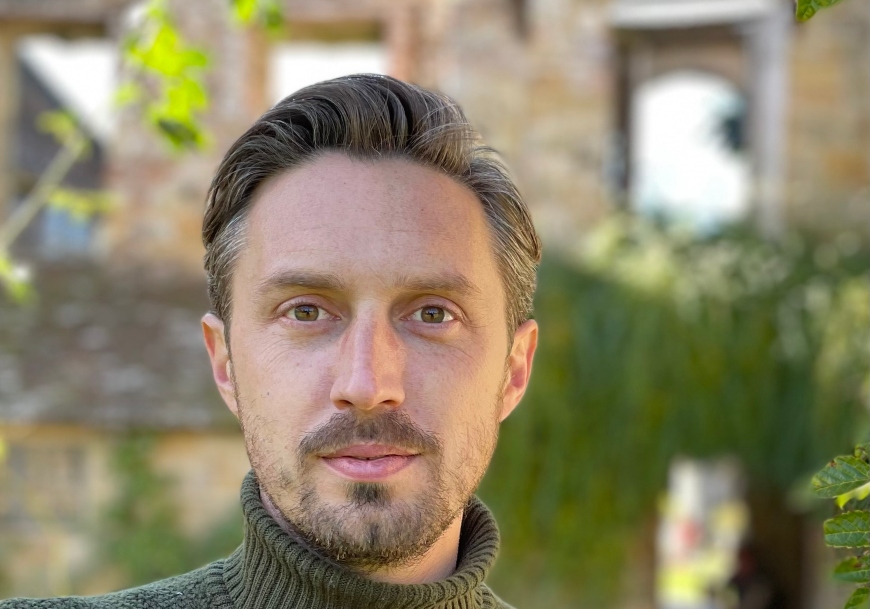
Marco Galli, project manager for the public toilets, lifts the lid on how he worked with council colleagues to unblock the way for new toilets in four central green spaces, and how these modern public conveniences are supporting the council’s wider ambitions for people and nature.
Improved access to toilets means more inclusive places, which means more equitable communities, which is better for everyone. It’s the foundation that Marco’s work is built on.
“Our public toilets are part of how we signal who a space is for” Marco explains, “and the public toilet project is a statement about equity and dignity in public spaces.”
The work is part of a long-term plan to enhance accessibility and inclusivity in Edinburgh’s parks. So we’re not just talking about building any old loos, we’re talking:
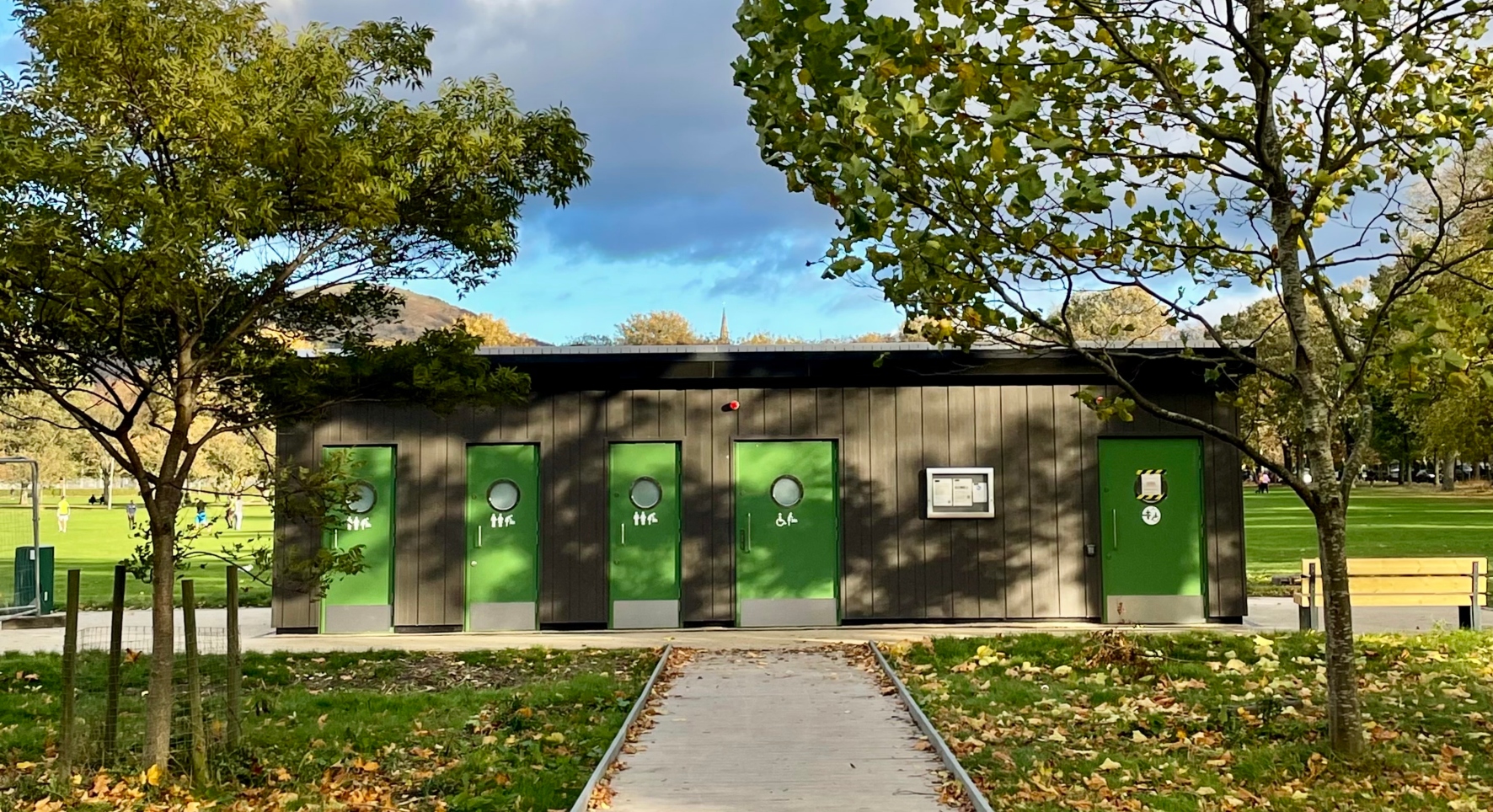
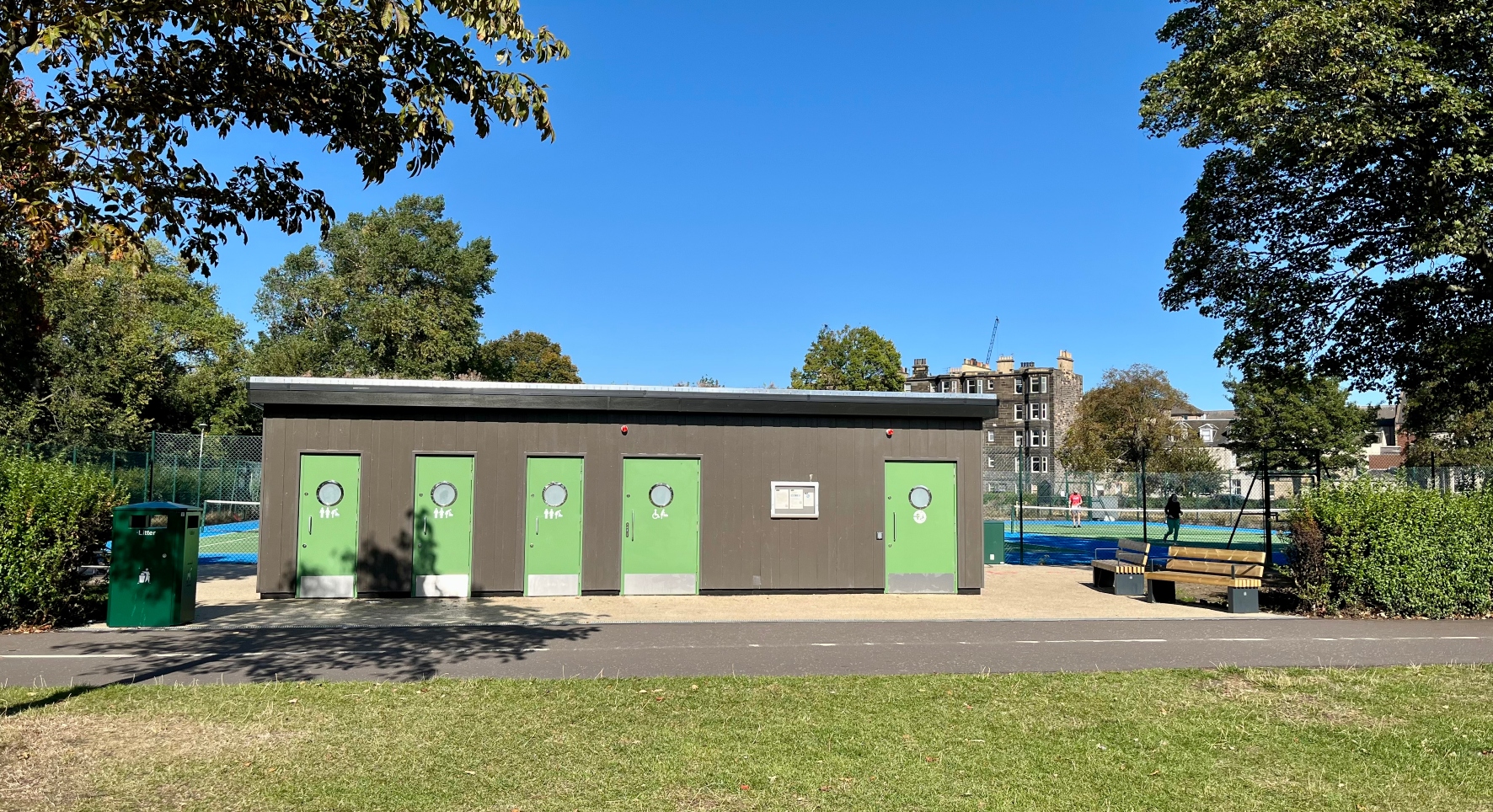
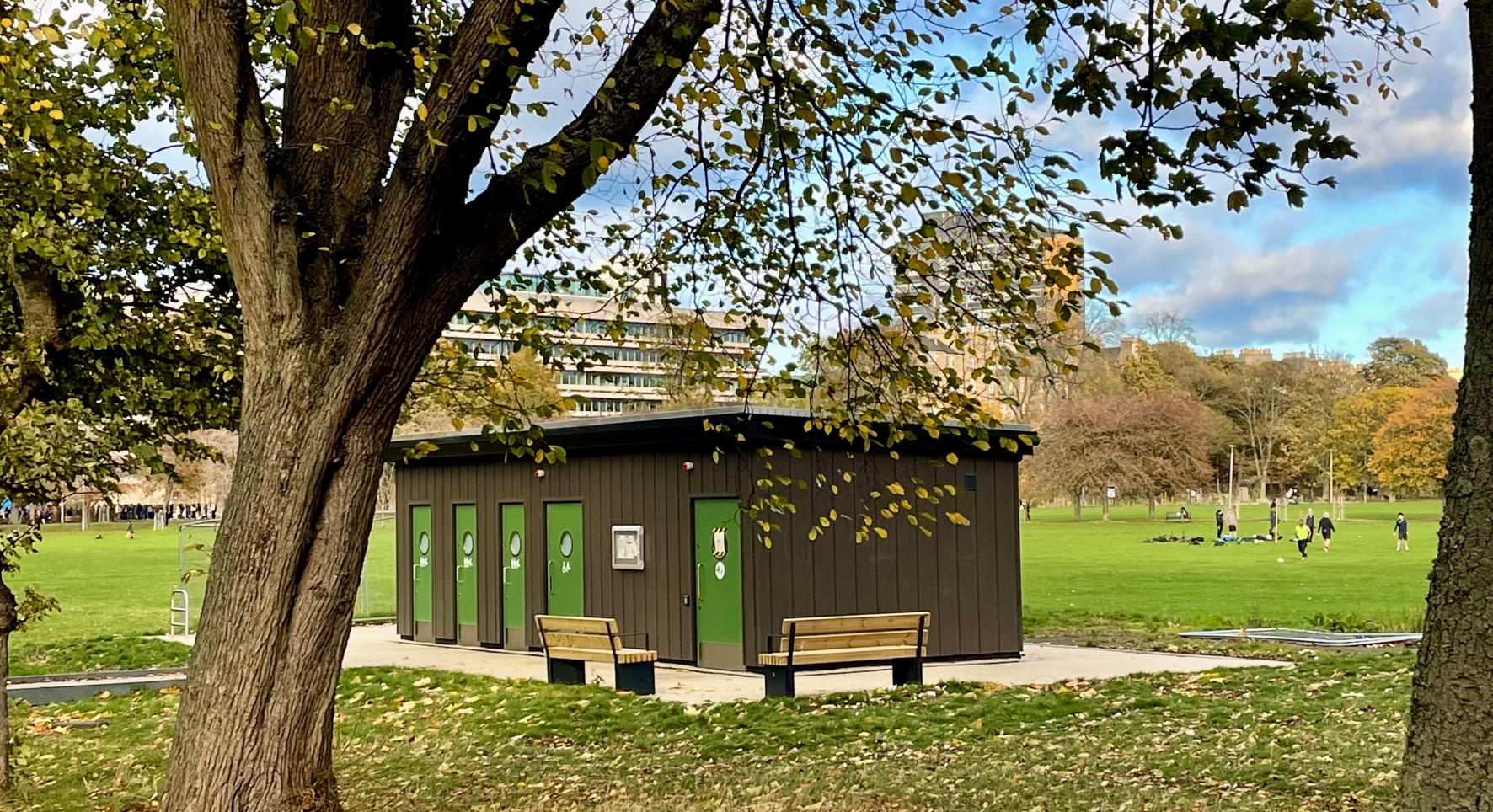
And doors are already opening thanks to Marco, “We have newly-opened toilets at The Meadows, Inverleith Park, Leith Links and Queensferry. They are the first steps towards improving our infrastructure, based on footfall and destination”.
Toilet paper may (figuratively) grow on trees, but brand-new public toilets definitely don’t. Click below for Marco’s top ‘toilet tips’ to install public loos in parks, then scroll to discover more about each.
Marco tells us that getting support and funding for the toilet project is very much like joining the dots - across different work areas and departments, each with different priorities. This takes knowhow.
Here’s his three-layered approach to getting a toilet project aligned with the right people, in the right way, at the right time.
This layer is about looking at what your council wants to achieve and thinking about how new public toilets can support that.
“We aligned our proposals with the council’s overarching aims under Edinburgh’s Thriving Green Spaces strategy” says Marco. This made it much easier to rationalise what they wanted to deliver for people and nature long-term, showing how the new toilets would support something bigger.
“We also made sure to fit the plans in with wider council priorities. In the wake of the Covid-19 pandemic lock-downs for example, there was a focus on public toilets as demand for them increased again. We also thought about how the project could support longer-term goals for public health, infrastructure and climate resilience
In the end, funding came through a mix of capital budgets for parks. The fourth toilet block that we built at Hawes Pier was funded through the UK Shared Prosperity Fund.”
This layer is about securing strong support from key players in your council, such as local councillors and committees.
“This included our Culture and Communities Committee and the convener” Marco tells us.
He continues, “What worked best was having early conversations with councillors and service leads to explain the project’s wider benefits, in terms of accessibility, health and inclusion.
Sharing clear visuals of the proposed toilet designs and locations helped bring the project to life, making it tangible and building confidence.
By strengthening relationships, you set yourself up to effectively overcome any challenges together.”
This layer is about understanding what really matters to the people who will ultimately use your loos.
“It’s just as important – if not more so – to be outward-looking too. Positive community engagement and support will be absolutely key at all stages of planning, delivering and operating your new loos” Marco suggests.
Consulting with and listening to those community voices really helped shaped the why and how of Edinburgh’s toilet project. There’s more about this below.
So are people vacant or engaged when it comes to sharing their views on public toilets? Marco confirms, “it wasn’t too difficult to get people engaged”.
What matters to them, matters to Marco. Let’s find out how he went about getting the community involved and how it helped shape the end result.
Just as no two parks are the same, no two park visitors are the same. Which is why an important part of planning where the new accessible toilets should go was understanding exactly who would be ‘going’.
Marco’s research went beyond how many school kids, dog walkers, local business owners and Friends Of parks groups visited the park. He went about mapping how they were actually using the park.
“I engaged everyone from operational teams like parks, grounds and maintenance staff to local police officers to identify who had the strongest connection, insight or influence when it comes to how each space is cared for and experienced”, he said.
He now needed to dig deeper and discover what each person needed and wanted from their local facilities. He and his team spoke to over 50 stakeholders, asking what things were most important to them when it comes to public loos and the park.
Marco’s challenge was to build meaningful relationships, “getting to know people, listening to their aspirations and barriers, and creating a shared sense of purpose”. He added, “the collective approach also helped us keep communication open and project timelines realistic”.
Marco ran three consultation sessions to draw out the community’s top priorities. The first session was an open online discussion that helped connect with a broad mix of voices. The second was an external working group that included community representatives, advocacy groups and leads from key council departments. The third was one-to-one conversations with organisations and activity organisers to understand specific needs and concerns.
The next step was to identify what those collective priorities were. “We coded and grouped hundreds of comments under recurring themes, then mapped them by strength and frequency to identify what mattered most to the community.”
“Accessibility and safety emerged consistently across every group, closely followed by comfort, cleanliness and sustainability.”
He confirmed that this evidence “helped shape both the design decisions and the narrative of the project – making sure we could demonstrate that every feature directly responded to local priorities”.
It’s time to see how the four new public toilet blocks measure up to everyone’s hopes and expectations.
Marco proudly explains how they went beyond with every feature to ensure the focus was firmly on “making the space accessible for everyone”.
Every location includes three family accessible, single occupancy cubicles with grab rails, hand washing stations, mirrors, shelves and bins. There’s also one accessible toilet and one Changing Places Toilet with additional equipment for people with complex needs and an outdoor water fountain.
“All new toilets are wide enough to welcome people with a walking aid or small pram, and they all have a baby changing facility.” He continues, “we’ve done some engagement with organisations supporting people with stomas, so we fitted a small shelf that can make a difference for people with stoma bags”.
The new park toilets include one storage room for park maintenance tools with access to water for community groups and a service area for utility and maintenance.
He stresses the importance of working with other departments. “From the design stage I worked with the waste cleanliness team to get their input into a management and maintenance plan. The facilities management team and I also worked on the cleaning frequency, reactive responses and escalation procedures.”
He also considered other points of view. “The goal is making the infrastructure as maintainable as possible for everyone, including a service area that’s a warm and dry space for our operational teams to store their equipment, make a cup of tea and charge their phones on the shelf.”
Every location includes enhanced security with a live CCTV camera, energy-efficient LED lighting and an anti-vandal roof that’s designed to be safe and built to last.
Every location includes an eco-friendly sedum roof that supports biodiversity and a water-efficient management system that reduces water usage.
“We wanted to create a facility that is embedded within the landscape” says Marco.
However well you plan, there’s always a few unexpected obstacles in the pipeline when it comes to planning, building regulations, conservation and managing multiple sites. Marco shares a few specific challenges he’s overcome along the way.
Conservation areas
“We had to be really careful about designing a layout for outside and something we could easily replicate as well as respecting the landscape, such as carefully considering where to build the pathways.”
Juggling multiple parks
“We had to find a way to balance and mitigate, aiming to deliver on the spirit of what people ask for as well as clearly explaining the constraints and negotiating with stakeholders.”
Organised momentum
“I had to build a structure to clarify responsibilities, action tasks, get decisions and map them out to keep things moving.”
Managing delays
“We were transparent with internal and external stakeholders and adjusted our timings to maintain the quality of our work.”
So what’s next for Marco and his trusted team of toilet revolutionaries?
As Marco says, “the innovation is in the way that we have delivered the project” and innovation never stops evolving.
“We are now testing new delivery models, co-designing with the community to become even more inclusive and incorporating biodiversity and climate resilient features”, he confides.
And it doesn’t stop there. “We’ve built a document framework and now that we have a strong replicable design model, we’re hoping there will be more projects to come.”
One thing’s for sure, Marco’s toilets are no flash in the pan. As he says, “we want our public toilets to be accessible for a long time”.
Understand exactly what the statutory requirements are in your country.
Includes guidance on Changing Places Toilets designed for people with complex care needs.
Visit gov.scotIncludes guidance on the design and layout of universal toilets, ambulant toilets and toilet cubicles.
See the requirementsIncludes guidance on the local toilets strategy process and strategy dos and don’ts.
More about local toilet strategiesThere is a need to provide Changing Places Toilets in Northern Ireland too.
Find out more