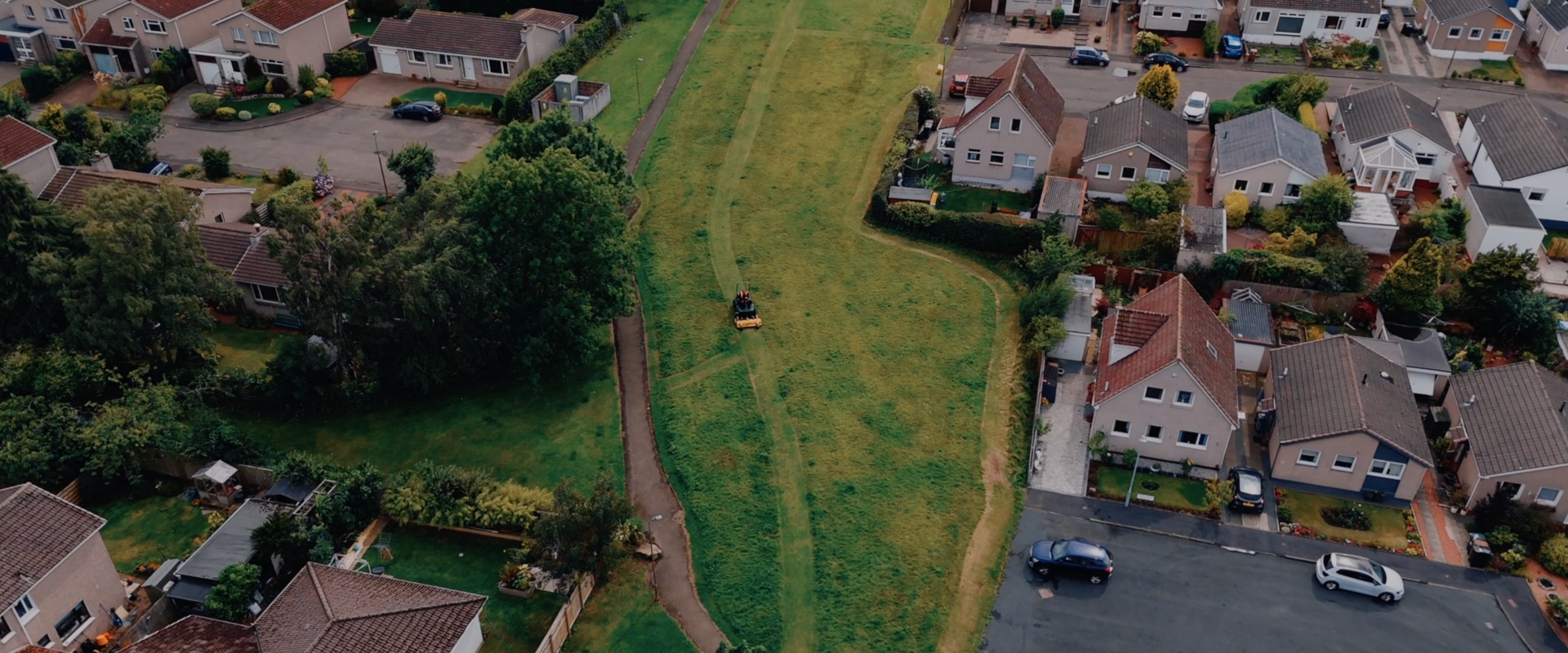
An aerial view of a grassy field surrounded by houses and residential roads. A lone mower cuts a track down the middle.
White illustration of some grass, resembling streetlamps.

Guide to place-wide growing and mowing

21-10-2026

Get started with...

Case study

Guidance

Let the grass grow under your feet, for healthier pollinators, plants and people in every corner of your town or city.
Climate resilience - Green infrastructure

©National Trust Images / Jungle

Supergrass

Urban grassland has the power to boost biodiversity, counter the effects of climate change and bring us closer to nature.

There’s plenty of it about. Grass covers nearly one-fifth of urban green space in Britain, and there are over 400,000 km of public road verges according to Plantlife.

Many of the potential benefits are lost, however, when grass is mown frequently and wildflowers can’t grow.

When more areas are left to their own devices – or ‘naturalised’ – urban grasslands have the potential to become a true pollinator’s paradise.
With biodiversity comes nature recovery, climate resilience and benefits – or ‘ecosystem services’ – for people too.

This resource looks at how local authorities, partners and communities can work together to grow more supergrass across their town or city.

Why we should let the grass grow under our feet

A network of naturalised grassland, wildflower-rich meadows and planting benefits all things living in built-up spaces.

+700

The number of wildflower species on grass verges

Connected grass habitats including verges are a living corridor. They offer stop-offs for busy wildlife and space for urban nature to recover.

Find out more

+20,000

The tonnes of pollutants removed by urban grasslands

Grass fights the effects of climate change. It cleans the air, slows rainwater run-off, provides shade for wildlife and releases cooling water vapour into the atmosphere.

Find out more

£2.1 billion

The potential annual health savings

Colourful meadows buzzing with bees and wildflowers transform grey urban landscapes. They give us a daily connection with nature, which makes us feel better.

Find out more

45%

Reduction in mowing costs

Less can be more when it comes to mowing grasslands. Dorset Council’s cut-and–collect approach reduced the frequency and cost of mowing over seven years, enabling them to fund new mowing machinery.

Find out more

How one city went to mow…and not mow

Edinburgh City Council and the University of Edinburgh have taken a fresh approach to grass growing and mowing across the city.

With new data and the support of their council mowing teams, they’ve introduced thousands more wildflowers for pollinators to feed on across the year.

Their extended network of naturalised grass, meadows and planting connects more people with nature and builds resilience to climate change in Edinburgh.

In this video, Greenspace Development Officers Alex Hunter and Stevie MacGregor join Professor Graham Stone to share their story.

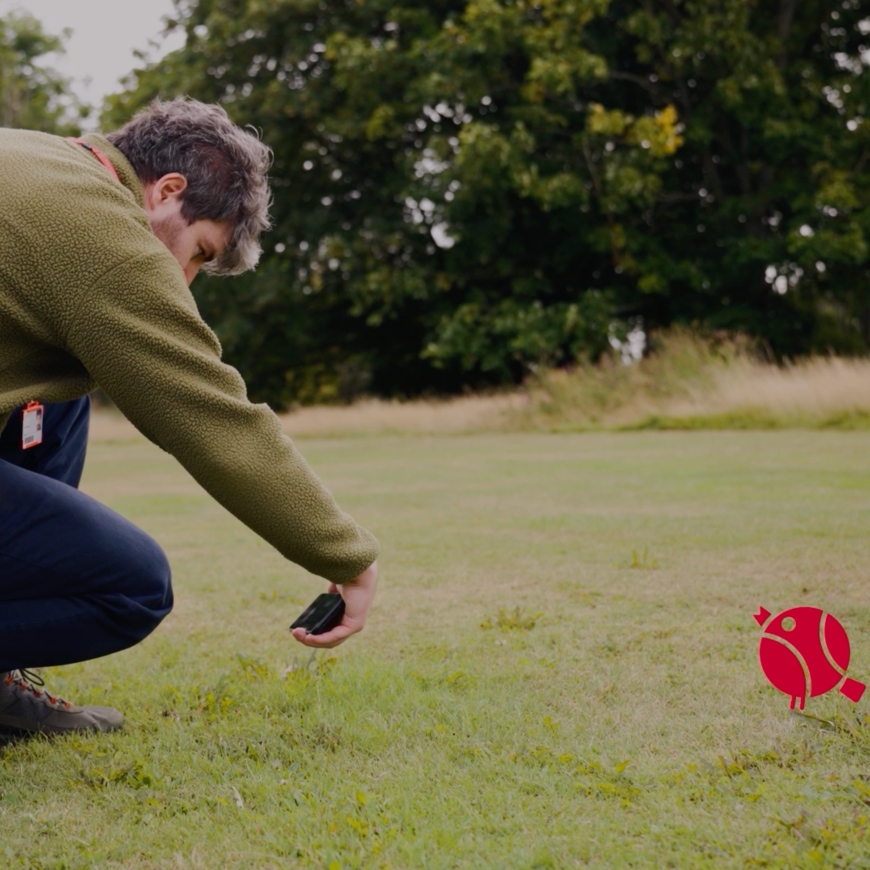
A man crouches down in a grassy field, with trees behind. He looks to be measuring the quality of the grass. A red icon of a robin watches on.

©National Trust Images / Jungle

Guide to place-wide growing and mowing

Alex, Stevie and the team at the City of Edinburgh Council are enhancing their urban green spaces for better biodiversity.

In the video, we heard how they take a place-wide approach to grassland, with people and nature-friendly maintenance standards used across the whole city.

And you can too. Here’s their guide to growing a network of quality urban grassland that communities can also enjoy.

For more grassland management and maintenance guidance, see Plantlife’s award-winning guide via the button.

”A local authority’s grassland estate is a potential haven for biodiversity” says Alex. Start with a look at what’s growing and how it’s managed now.

“Think about whether all grassland plots need to be mown frequently ” he says. “What if it’s too small or inappropriate for recreation – like banking or under tree copses”.

Next, set out the main benefit you want to deliver with a place-wide approach. It will make monitoring and communication much easier.

“The main benefit of our naturalised grassland is extended flowering times of native wildflowers, to support pollinators and invertebrates across the whole of Edinburgh” says Alex.

“An increase in grassland managed for nature can help deliver your green infrastructure, Open Space and climate strategies” Stevie says. “This can help bring stakeholders and council colleagues on the journey with you”.

Evidence in Edinburgh shows naturalised grasslands benefit pollinators and invertebrates. This supports strategies with food growing, allotment use, stepping stone habitats and Nature Networks.

Their evidence supports climate adaptation too. “Less frequent mowing can reduce CO2 emissions. Plus healthier, intact plants and soils store more carbon and capture water run-off” Alex continues.

Work with maintenance teams and local stakeholders like community councils to identify small test areas.

You could focus on areas with low biodiversity and nature connectivity or small, underused grassland plots.

“Need could be defined by neighbourhood or indices of multiple deprivation (IMD) by areas or wards” says Stevie.

Leave test areas uncut over the summer – you might see wildflowers that haven’t had a chance to grow before.

Then try mowing small sections, remove the cuttings and leave the rest long over winter. After one or two years, you can start to introduce seed mixes or plug plants to less diverse areas of the grass.

“Think carefully about the right approach for each place” says Alex. “It’s easier and cheaper to focus on mowing intensity at first, but features like meadows or planting earlier on can help with public support and diversity.”

And if things don’t go to plan? “Don’t worry” says Alex, “changes don’t need to be permanent and mistakes can be fixed. It’s simple to revert naturalised grassland to amenity grassland with a mow”.

Test findings help set criteria for naturalised and enhanced plots as the scheme grows. “A standard approach across the whole town or city keeps things consistent and ensures all residents experience the same thing” Stevie adds.

More about IMD in each UK nation can be found here:
“It’s important to let the public know about upcoming changes to test areas in advance” says Stevie. Here are five things to consider doing:

  1. Signage near grass areas explaining the benefits to nature and why the plot was chosen.
  2. Ongoing community consultations to identify suitable locations together and gather feedback on test sites.
  3. Flyers for maintenance staff to distribute to residents if they are asked questions.
  4. Quick cuts to perimeter edges and informal paths to support access and wildflower growth cycles.
  5. Reassurance that grassland used for amenity or recreation will still receive a frequent cut.

Monitor flowering plants and pollinator activity in your newly naturalised grassland areas. It provides evidence for grassland management changes on an even bigger scale.

“It’s a great opportunity to partner with an NGO or university” says Alex. “Local communities like to get involved with activities like flower or insect timed counts”.

Bear in mind that naturalised grassland and amenity grassland often have the same species of native wildflowers such as buttercup or white and red clover. Alex says, “the benefits – to pollinators and invertebrates – come where they flower for longer in naturalised grassland.”

Use feedback from public consultations to set criteria for future naturalised plots. This standardises things across the whole city, ensuring that plots get the right mowing frequency or are ruled out if unsuitable.

“We found the key to success at scale is to define mowing standards for different plot types. The standards help teams to balance management for nature with appearance and accessibility for people” says Stevie.

“Keep a close eye on how to achieve this balance in each plot you’re working on” he continues. “You can then work up a set of standards to use across your whole town or city.”

The standards will vary based on species composition, flowering time, height of flowers, and the abundance of wildflowers. They should include amenity grassland as well as naturalised grassland.

Next, map the new standards in a single GIS layer to show how grassland sites across the town or city will be managed under the new standards. “We used a platform called ArcGIS Online (AGOL)” says Stevie.

In Edinburgh, operational teams track changes using the map. “We also use it at community consultations” he adds.

For plots to be managed to best practice, there are likely to be some upfront investments.

“This includes machines capable of cutting at different heights and ‘topping’ rather than close mowing” says Alex. ‘Cut and lift’ machinery is also supports wildflower growth, by reducing nutrients and grass dominance.

Reduced mowing and machines can free up staff and volunteer time to work on other nature projects.

“Now that management standards have been developed for biodiversity and for public perception, it is crucial that all operational staff are consulted in these changes and trained on why they are taking place” says Stevie.

Accessible and practical training should focus on the main benefits you want to deliver – “in our case biodiversity fundamentals and the pollinator resources provided by native flowers” he adds.

Operational teams are often out and about in the community. It’s important they’re able to offer consistent messaging about what’s happening and why.

Technical training is also required to use new machinery and to understand and apply the new mowing schedule across the whole town or city.

At this point, pause to reflect on what works and what doesn’t. “Use your test learnings to create a decision tree or flow chart to determine where plots can be naturalised or enhanced effectively on a town or city-wide scale” says Alex.

Local stakeholders and groups and the operational team will continue to be a key part of decision-making too, as they often have precise knowledge of grassland plot use.

“As you expand, it’s worth remembering that changes don’t need to be permanent. There is always the option to revert back to amenity grassland if the data doesn’t work out in practice” Alex says.

Enhance naturalised grassland to deliver even more benefits for nature.

Different grassland types support wildlife through the lifecycle. Wildflowers provide nectar in summer, and uncut tussocks offer winter shelter.

Features like dead wood and hollows or scrapes to temporarily hold water help too.

“Many communities want to see investment in nature and grassland variety helps keep them onside” says Stevie.

Continue to work with community groups and stakeholders to identify areas for change. “We also found staff workshops encourage creativity and spark ideas” he continues.

This can lead to features like wildflower meadows, bulbs, plugs, succession planting and different types of seed mixes. They require more care but are essential for biodiversity and public support.

In with the old, in with the moo

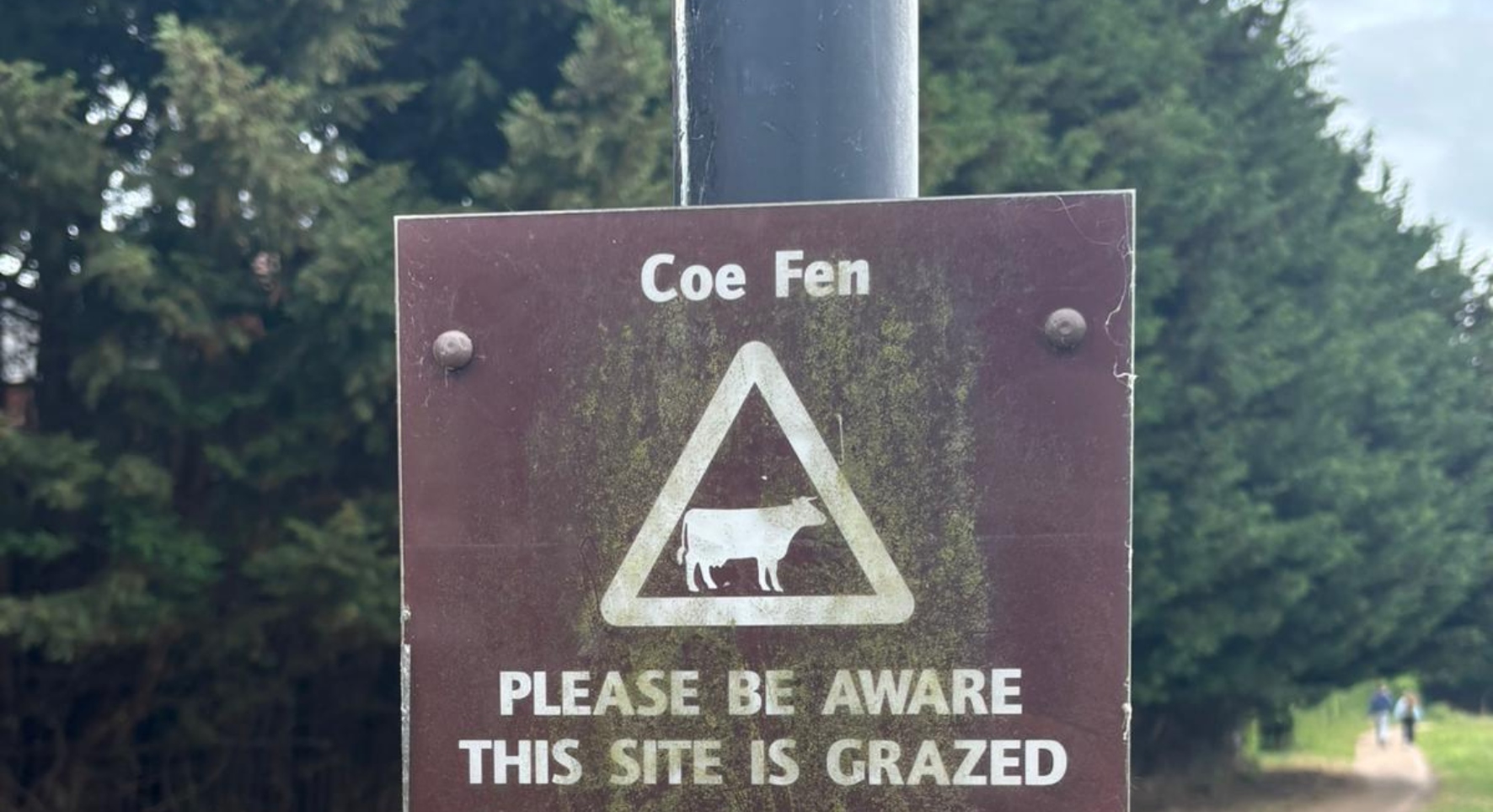
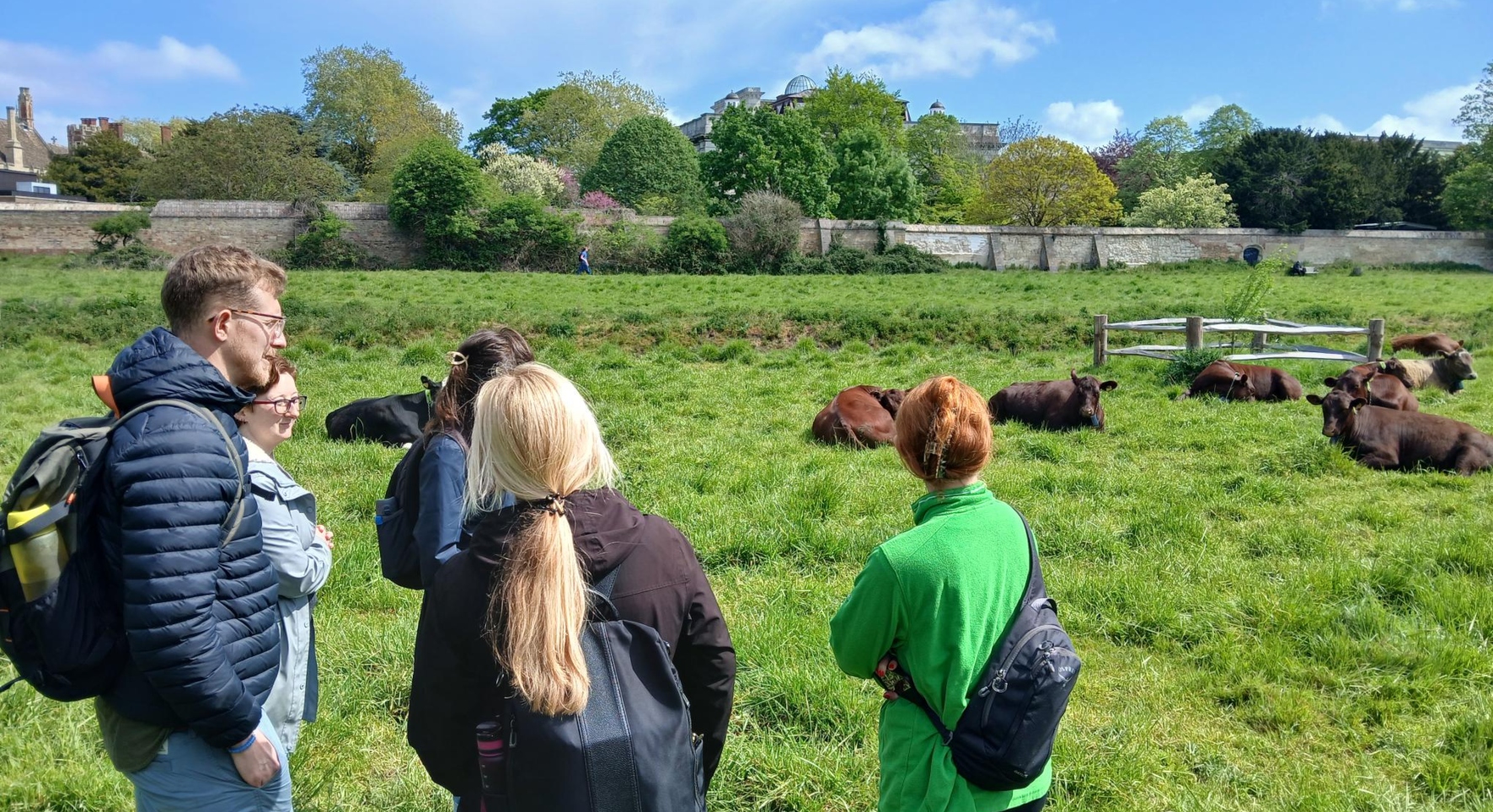
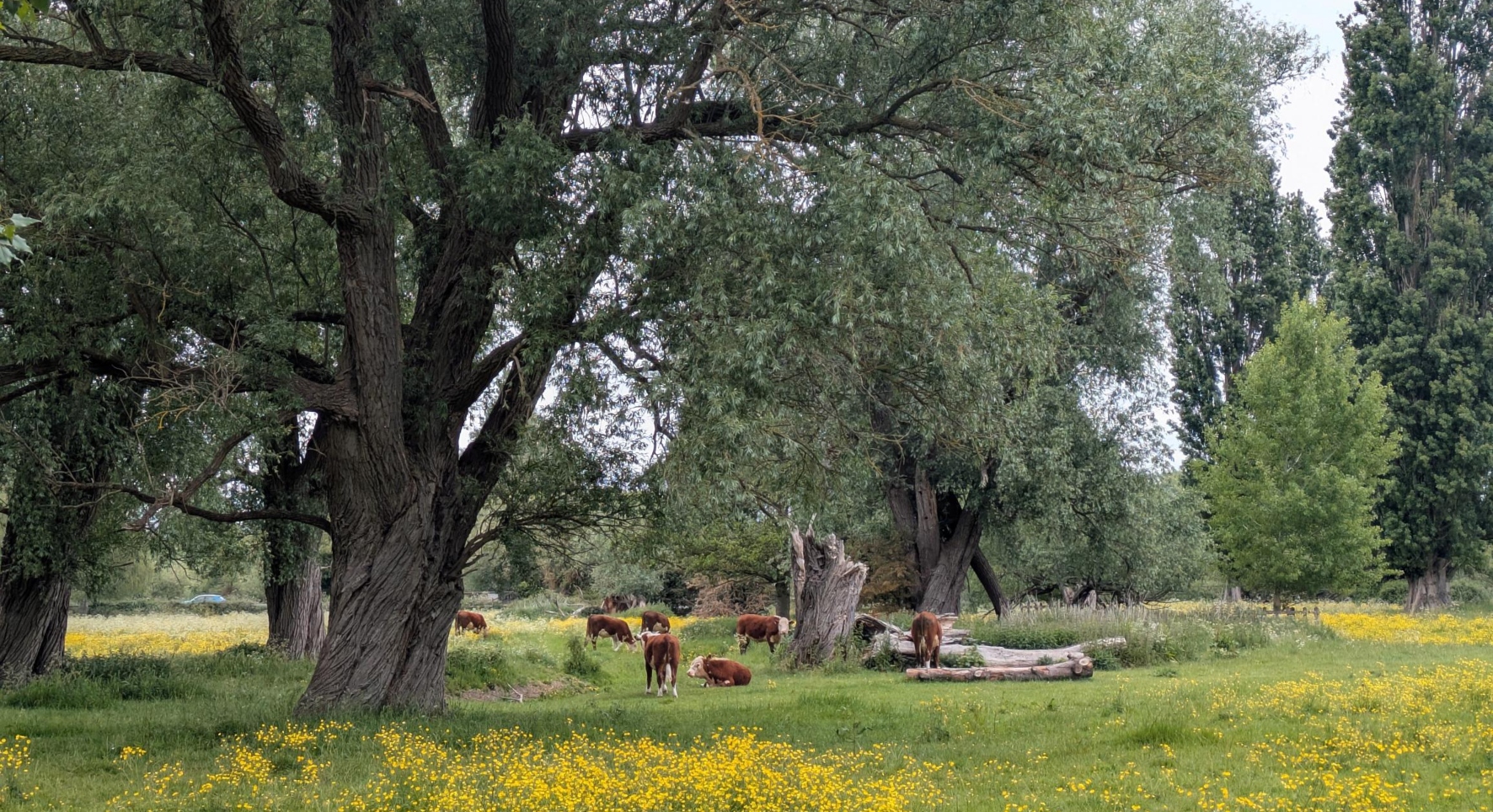
Cambridge has a network of historic commons that are loved by people and nature alike – as homes for wildlife, recreational spaces and prime riverside picnicking spots.

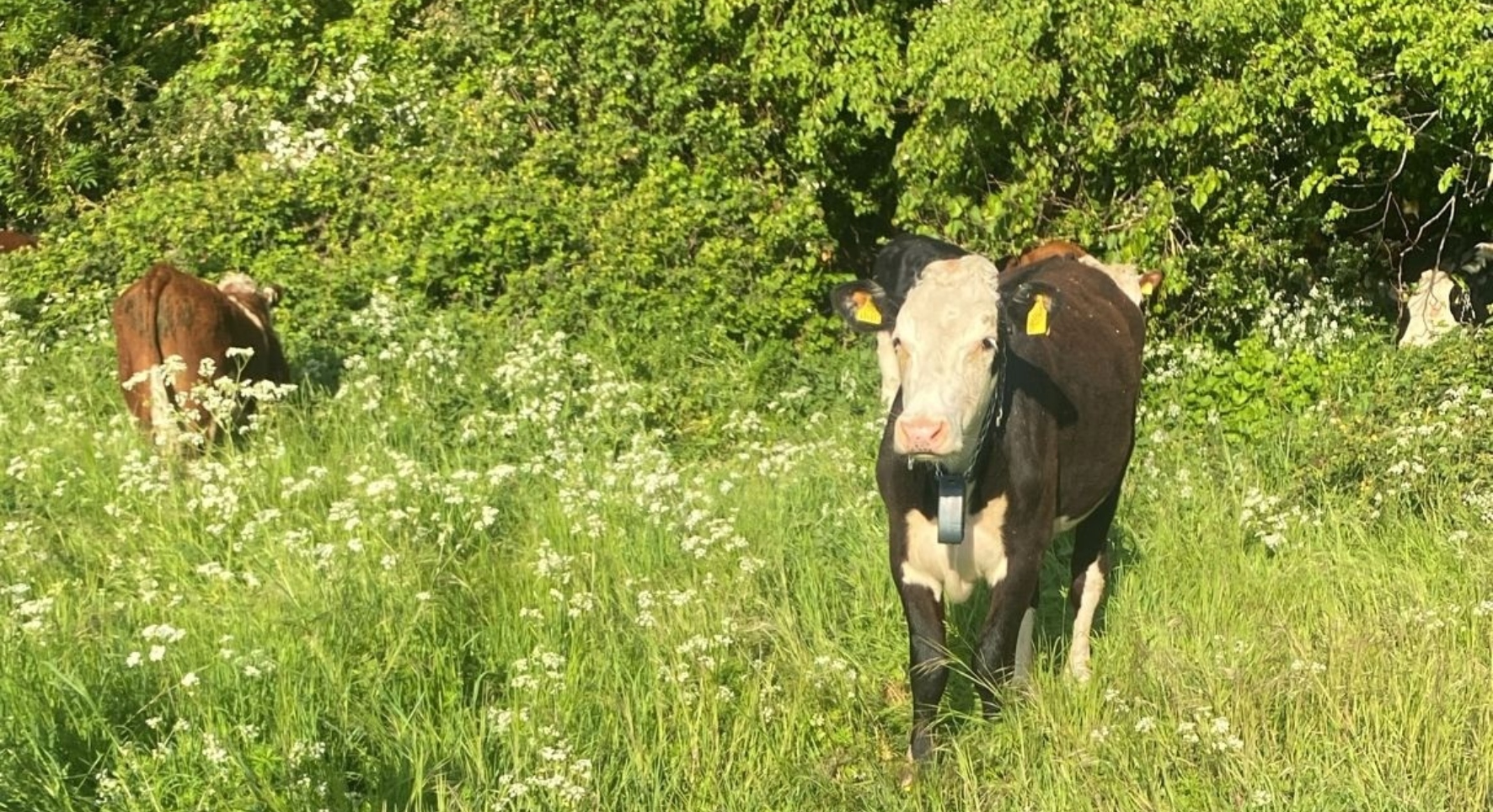
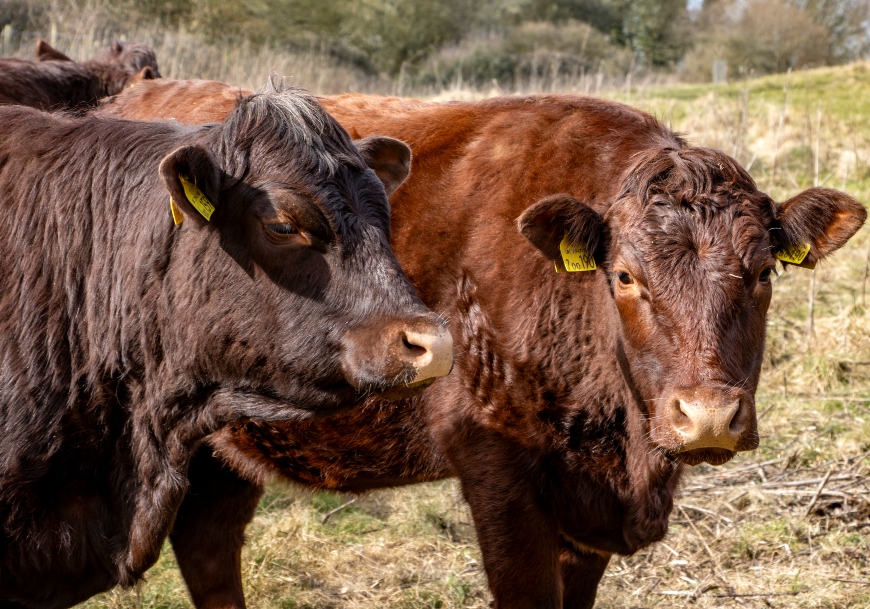
Arguably the most dedicated picnickers are small herds of traditional cattle breeds, who roam and graze the landscape alongside visitors throughout the summer.

Their selective snacking creates a habitat mosaic ranging from bare ground to tussocks and tall vegetation.

This provides feeding, breeding and shelter opportunities for pollinators and other insects at the heart of Cambridge’s cultural heritage hotspots.

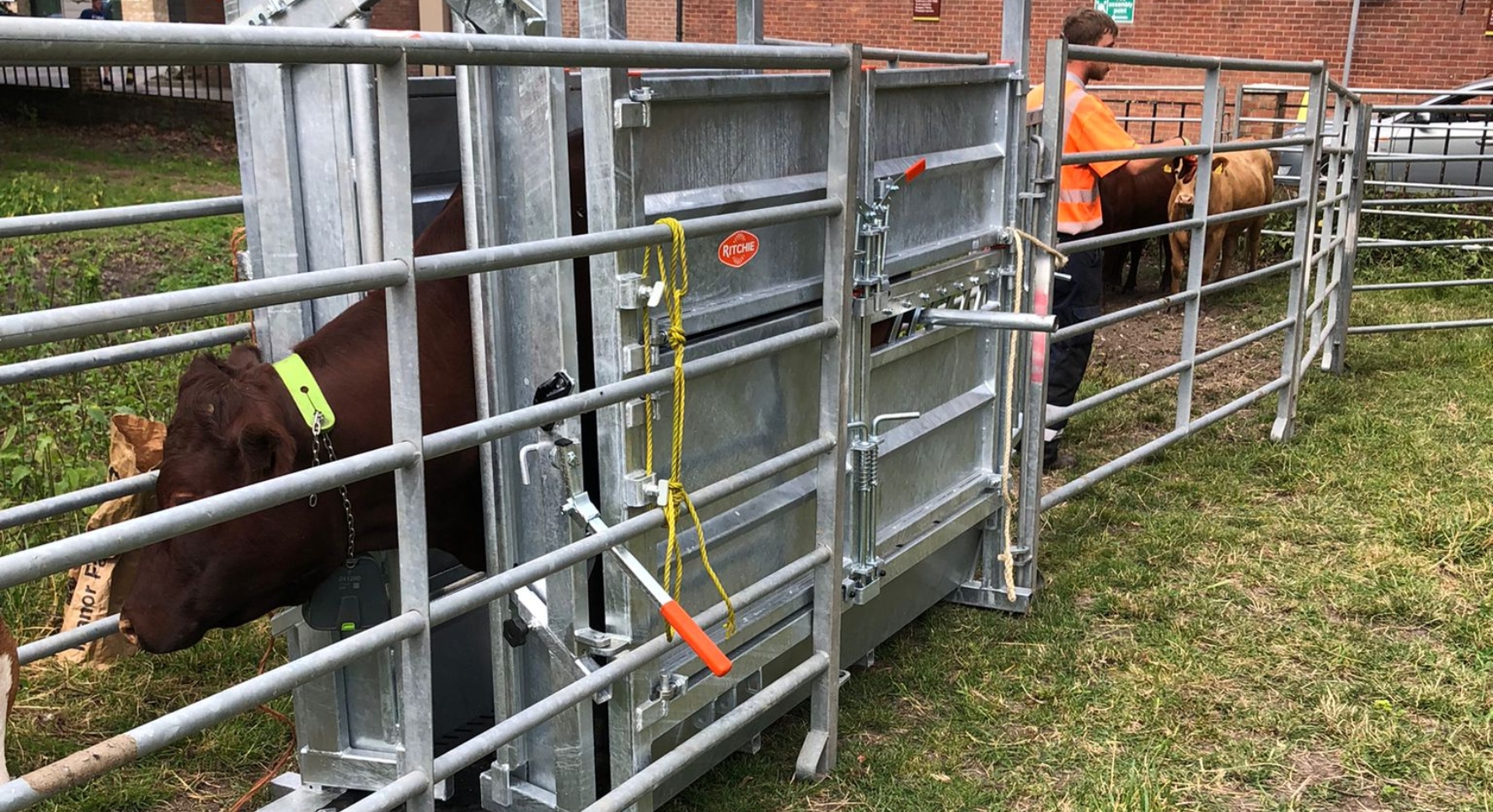
Scroll the images to hear from Guy Belcher, Biodiversity Manager at Cambridge City Council, how traditional grazing goes hoof-in-hoof with modern conservation and technology to give people and nature a boost.

More urban moooovers & shakers

Urban grazing is a nature-friendly way to enhance local ecosystems and keep green space open for people to enjoy too. Here are some more examples of grazers herd at work in towns and cities across the UK.

©M Whitchurch

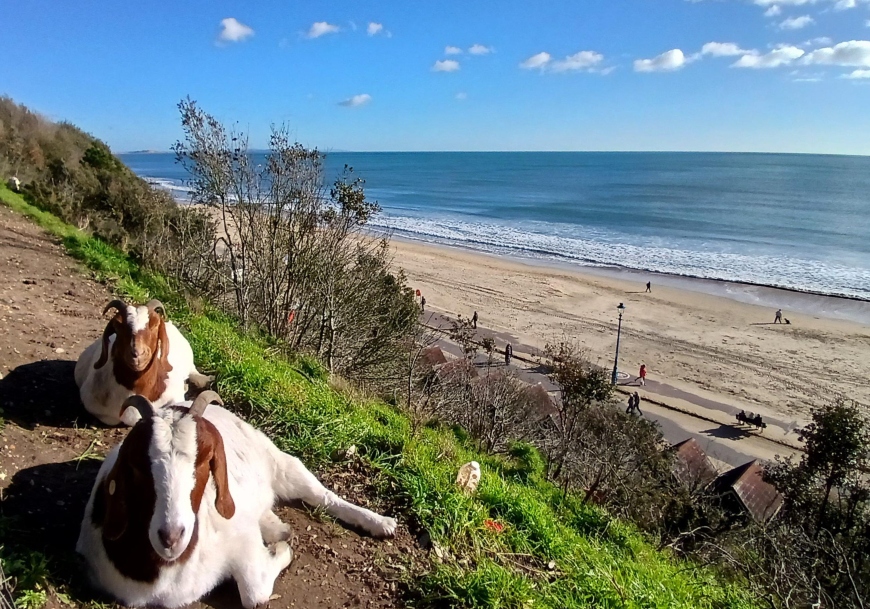
Bournemouth’s Cliffside Guardians

Since 2009, goats have grazed the steep cliffs above Bournemouth. They were brought in as a natural solution to manage the dense vegetation that covers the clifftop, which can only otherwise be reached by specialist contractors. Their regular nibbling allows more sunlight to reach the ground, encouraging a wider range of plant species to thrive.

Find out more
Find out more

©National Trust Images / Catherine Hayburn

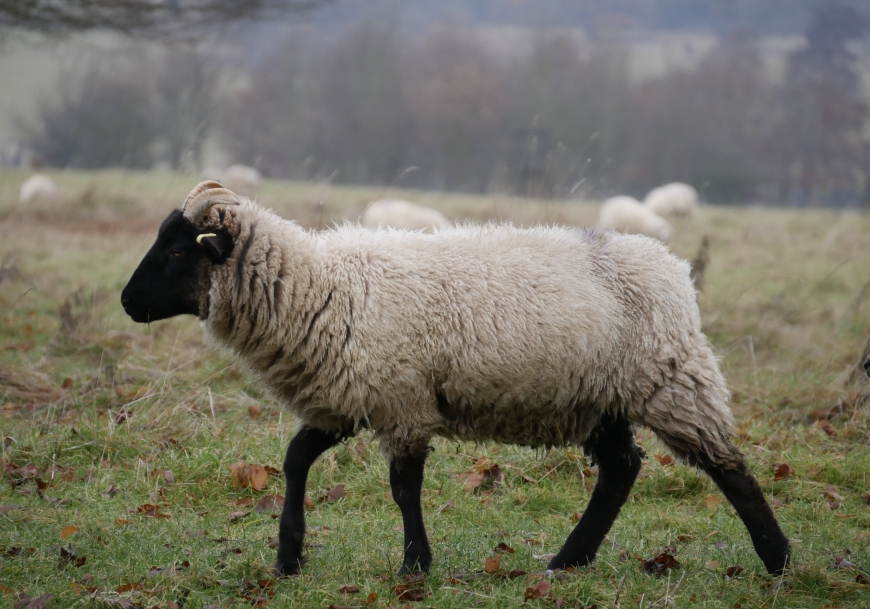
Sheep on the Heath

Rare-breed Norfolk Horn and Oxford Down ewes are on a conservation mission on London’s Hampstead Heath. They reignited a grazing tradition lost for 70 years, and now play a vital role maintaining a mosaic of habitats. The grazing projects are a community effort, with volunteer ‘shepherds’ on hand to help test and learn.

Find out more
Find out more

©National Trust Images / Hugh Mothersole

Cattle and The Moors

The Freemen of Newcastle have grazed cattle on The Town Moor in the city centre for centuries, with up to 800 cows permitted to roam the open space. Grazing here is rooted in tradition, with the cows helping to protect and preserve the Moor for the benefit and enjoyment of all residents and visitors.

Find out more
Find out more