Capacity building grants
Learn about places and projects that have been awarded grants across different regions and countries.
North of England
Bradford: Green Blue Steppingstones project
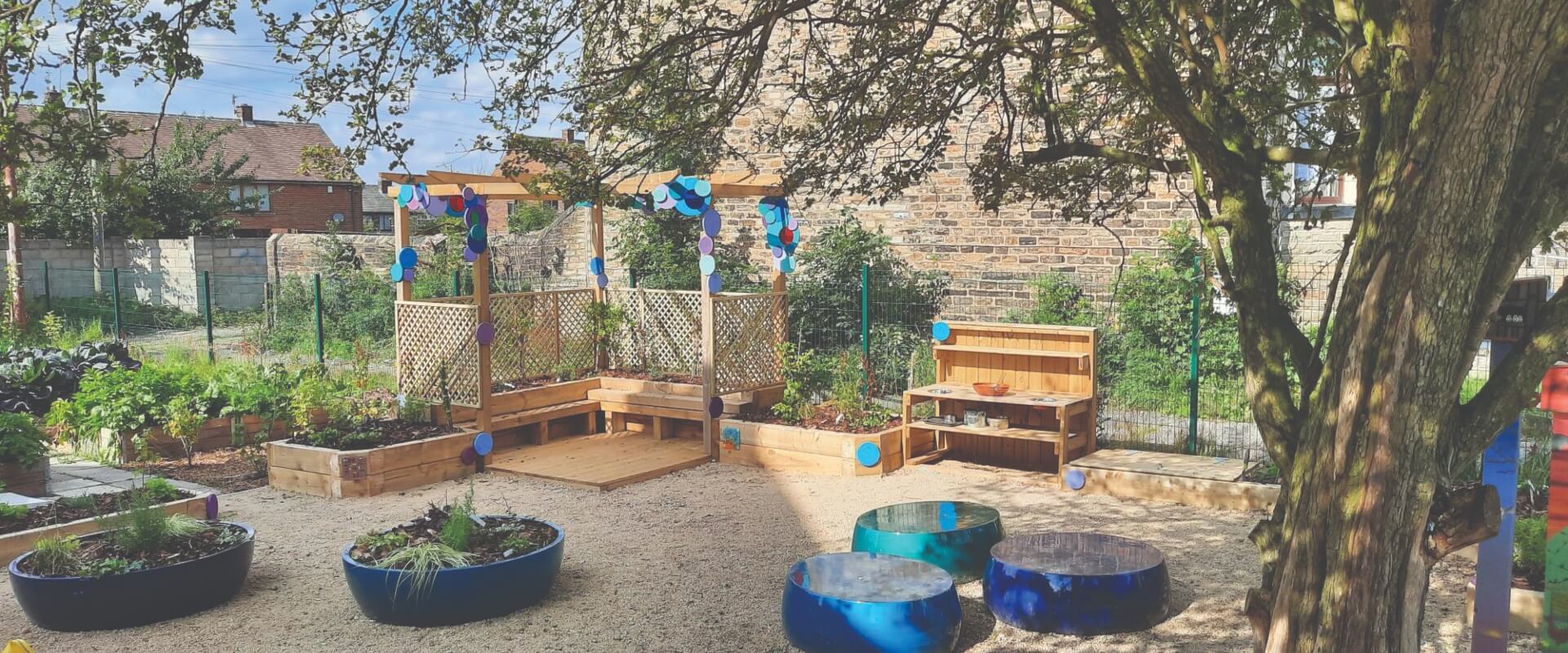
In Bradford, a city where life expectancy can differ by 11 years between rural and urban wards, the Green Blue Steppingstones project will work with the Bradford Institute for Health Research to pioneer ways to evaluate the health benefits that arise from access to nature in the city, whilst developing pathways to green social prescribing.
©Groundwork in Cheshire Lancashire and Merseyside
Blackpool GreenWave: Transforming Urban Nature for All
Blackpool’s Greenwave project comes as the town undergoes significant regeneration, giving an opportunity to integrate green infrastructure into new developments. These will form part of a comprehensive strategy to improve existing green spaces and create a connected network of multifunctional spaces across the town.
Liverpool City Region's Green Vision: Uniting Communities with Nature
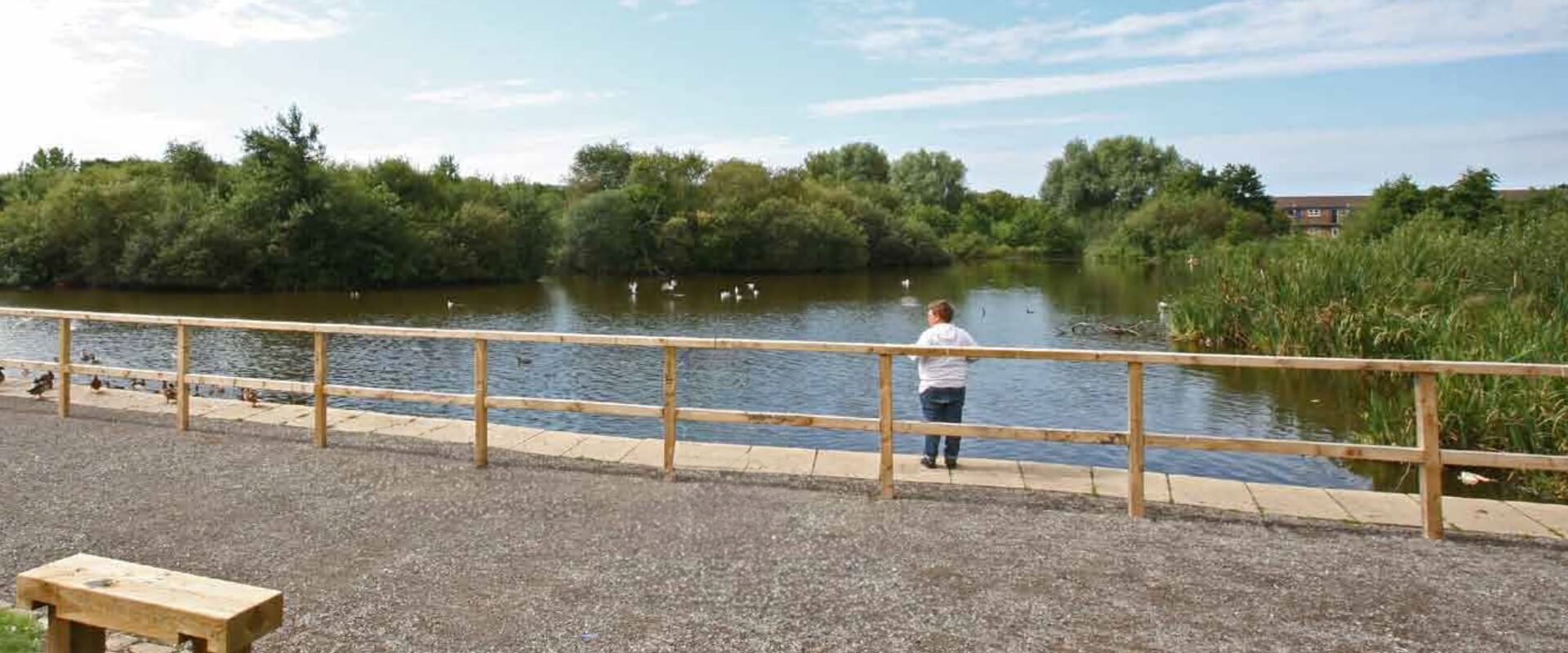
Liverpool City Region’s project will span the entire Combined Authority, and focusing on areas with less access to nature and higher rates of health and economic deprivation. The project will transform underused urban spaces into thriving community gardens, edible landscapes, and wildlife habitats, involving communities in the design and long term care of these.
©Dave Charnley / Middlesbrough Council
Redcar & Cleveland Borough Council
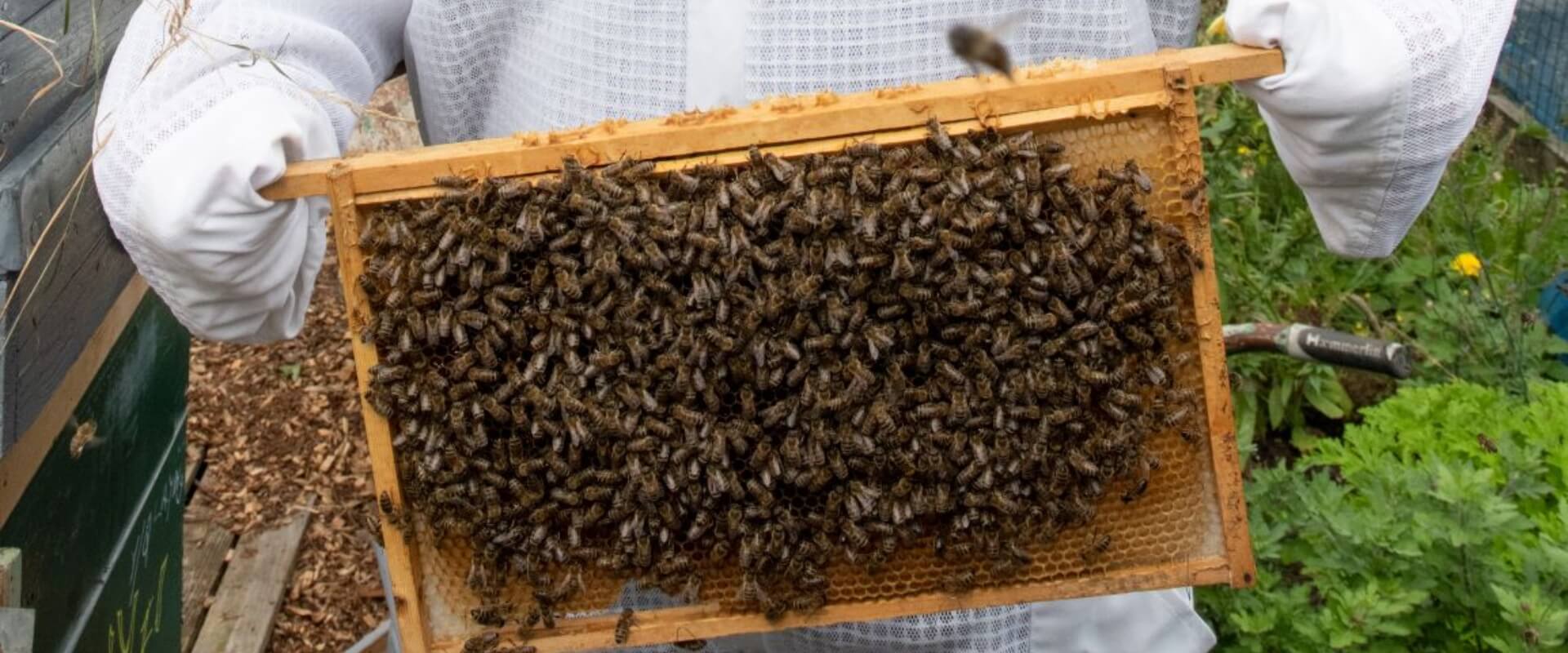
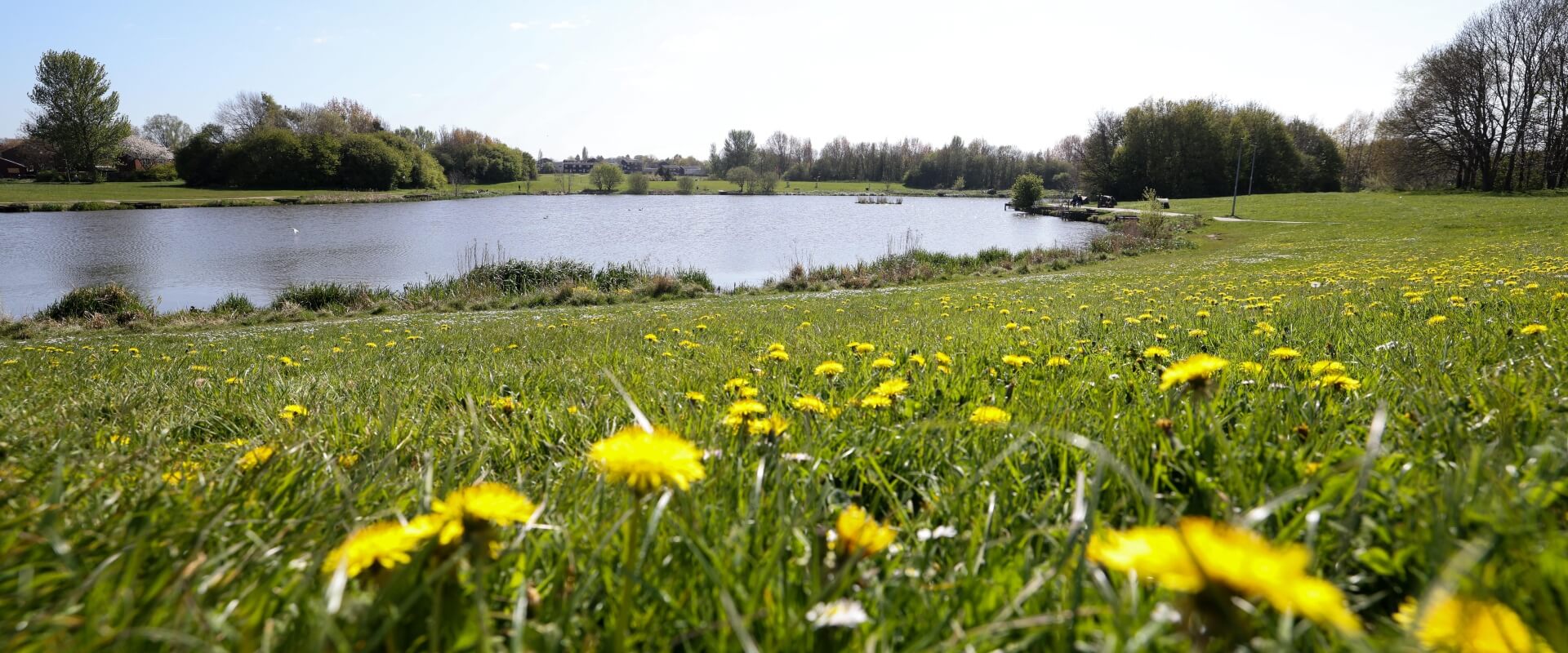
The Tees Valley project will develop the Tees Urban Nature Network (TUNN). This partnership will unite local authorities, nature organisations, businesses, and community groups. With collaboration at its heart, it will reimagine how the region's natural spaces are planned, protected, and celebrated by local communities, including a new adopter scheme for local groups to support their neighbourhood green spaces.
©Joseph Palframan
Manchester and Salford's Green Vision: Connecting Urban Nature
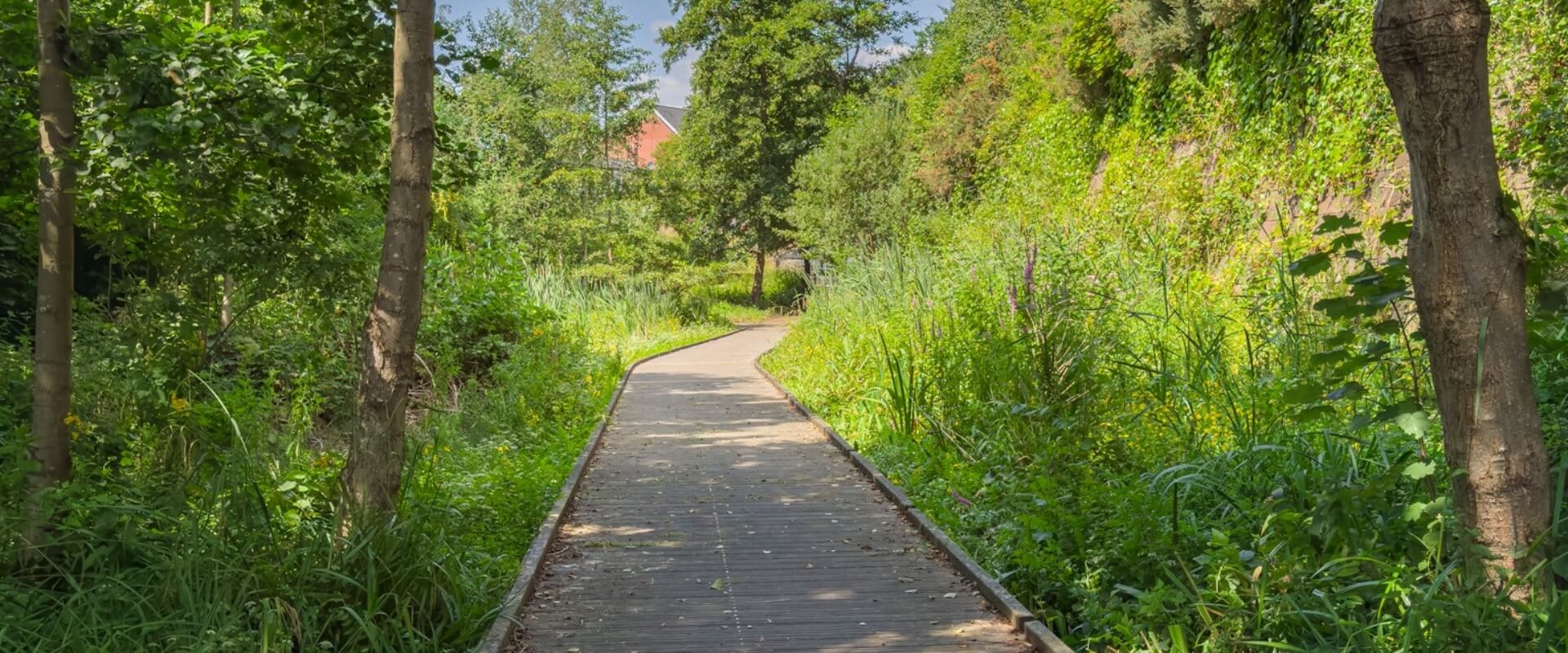
Aligning with ambitions in the Greater Manchester 5-Year Environmental Plan, Salford and Manchester are working together to create an interconnected network of green and blue spaces - linking parks, urban waterways, and industrial heritage sites into vibrant corridors that enhance biodiversity while improving residents' quality of life.
© Mark Taylor
Sunderland City Council
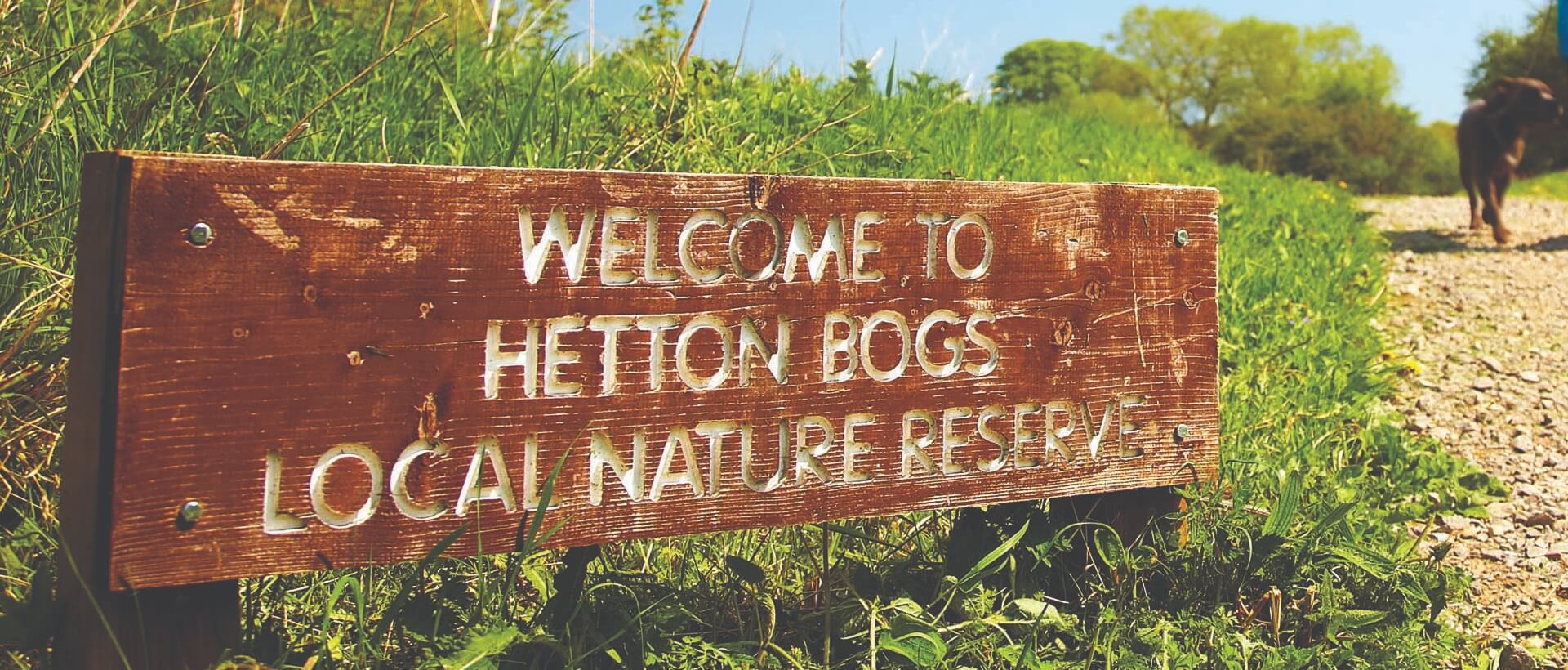
Sunderland's project will focus on revitalizing urban green spaces — particularly smaller, amenity areas — across all five districts of the city. Plans include a focus on linking community greenspaces, parks, transport routes and the city’s coastline and riverbanks, connecting people and creating a sense of pride in the local environment.
South of England
© Bristol City Council
Bristol's "Nature Together" Project: Transforming Urban Green Spaces
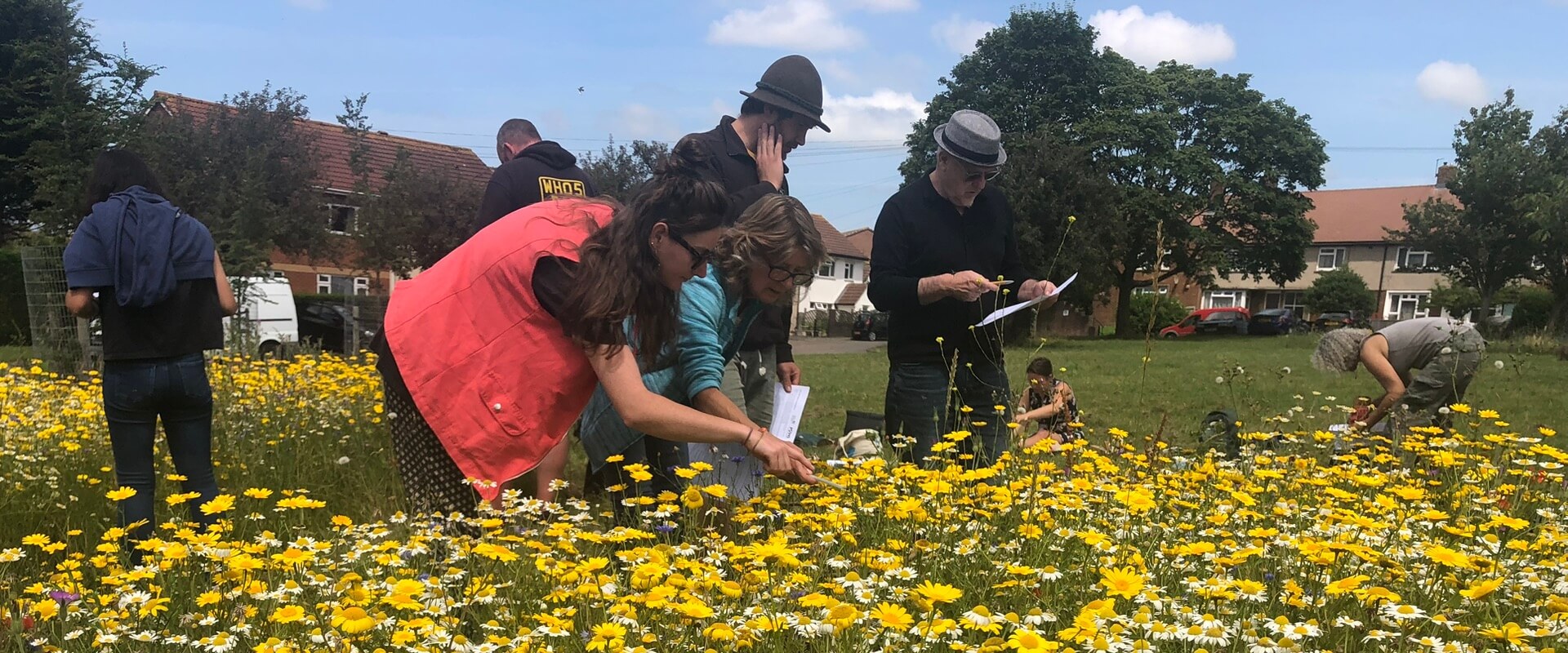
Bristol’s Nature Together project will take a cue from Paris to introduce a Greening Permit scheme to make it easier for communities to take action for nature. City Partners will come together to develop and trial new ways for community-led environmental initiatives to find funding.
©National Trust Images / Annapurna Mellor
Ealing's Regional Park Vision: Connecting Communities with Nature
Ealing’s project will ready the borough for the creation of a 586-hectare Regional Park, which will connect previously isolated green spaces and create an 8km Regional Park Heritage Trail - improving access and nature recovery and reducing flood risk.
©National Trust Images / Paul Harris
Portsmouth's Green Vision: A Blueprint for Urban Nature Revival
As Portsmouth approaches its centenary in 2026, a project will join the city’s historically limited and fragmented green spaces, making nature accessible to everyone, with a particular focus on nature’s role in health and wellbeing, and in how natural spaces and features can support the city to become climate resilient.
©National Trust Images / Paul Harris
Lewisham's Green Vision: Uniting Nature and Community
In Lewisham, a new dedicated team will develop a comprehensive Parks and Open Spaces Strategy to transform the borough’s natural heritage into a connected, thriving ecosystem that supports both wildlife and community wellbeing. The plans include a commitment to inclusion, making sure that communities can have their say in how shared spaces are redesigned for people and wildlife.
Midlands and East
©National Trust Images / Trevor Ray Hart
Luton's Nature Connection Initiative: Bridging Communities with Green Spaces
Luton’s project aims to transform how its communities connect with nature, focusing particularly on those who face the greatest barriers to accessing green spaces. The project will introduce a dedicated social prescribing hub, create a volunteer passport scheme, and establish a skills development programme, all while bringing Luton's green corridors to life through events that celebrate the area's natural heritage and biodiversity.
©National Trust Images / Paul Harris
Norwich City Council
NatureCityNorwich will deliver a community co-designed nature recovery action plan for Greater Norwich, shaped through extensive community engagement including a public conference and hands-on training events, and led by a partnership of three local councils, Norfolk Wildlife Trust, and the area’s thriving voluntary and community organisations.
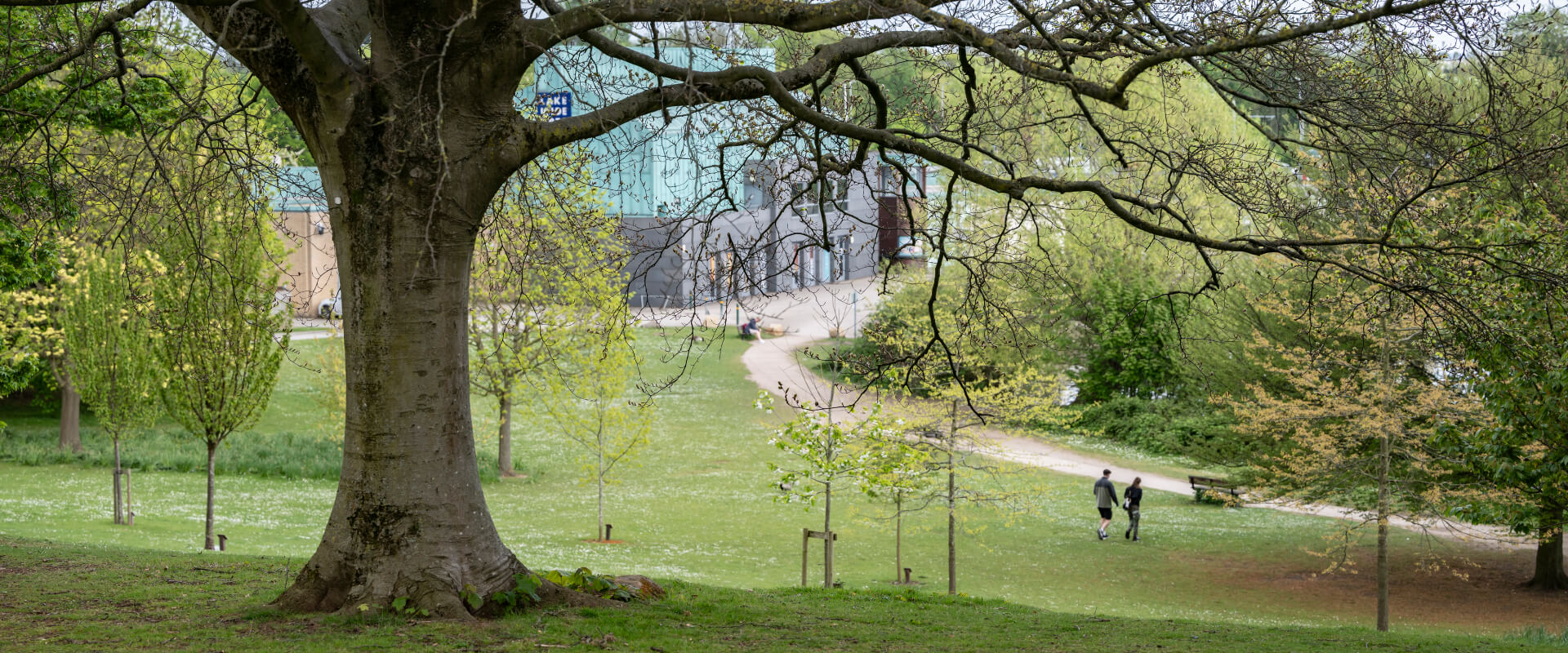
©Walsall Council
Walsall's Green Vision: Transforming Nature and Health for All
In Walsall, funding will go towards developing a "Nature and Health Strategy 2040", combining groundbreaking research with community engagement. Research and mapping will find ways to address a gap in green spaces between the east and west of Walsall, identifying areas for further investment. And communities will be encouraged to be a part of the town’s green future through Adopt a Space and community grants programmes.
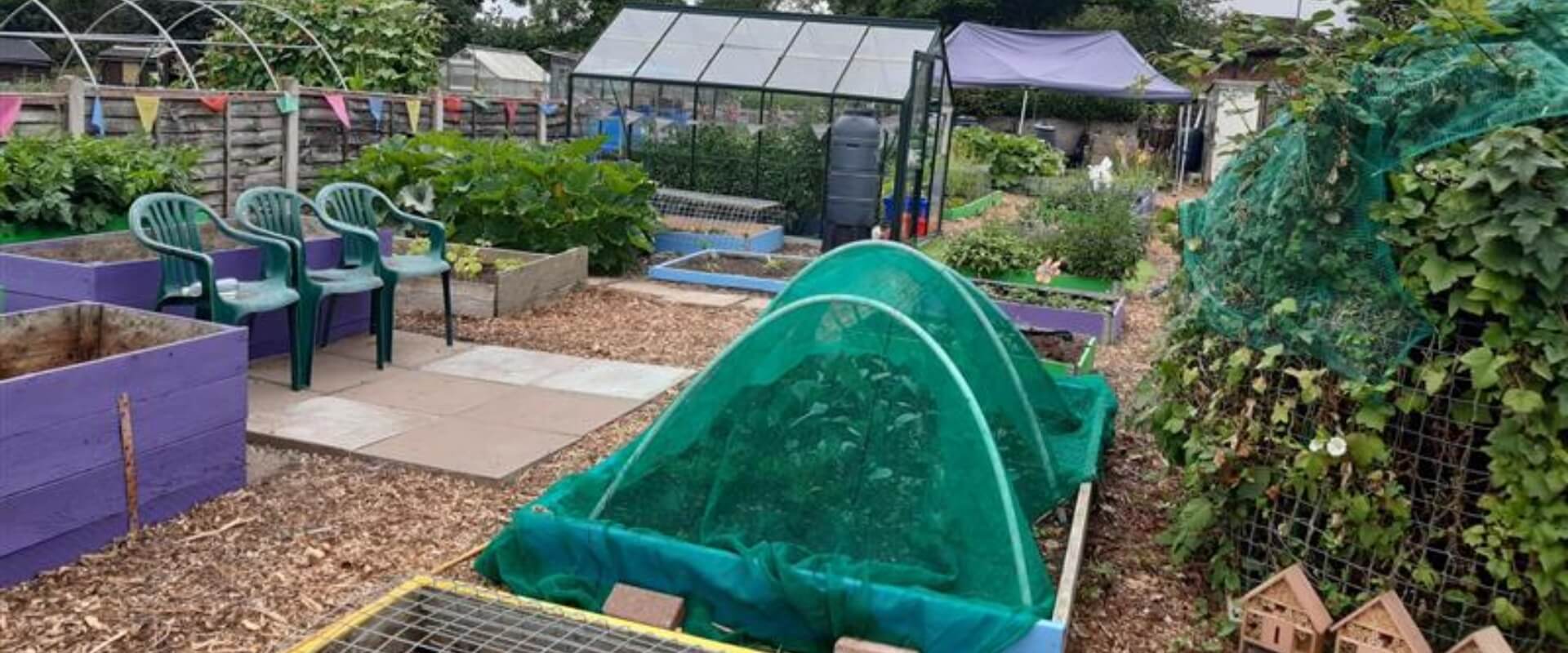
©Coventry City Council
Coventry's Green Renaissance: Connecting Communities with Nature
Over 3,000 young people in Coventry will learn new green skills through citizen science projects, new education resources and school allotments. Residents will be able to discover nearby nature through new resources on the council’s website, which will also be used to shape nature’s growth across the city in a new Green Infrastructure Strategy.
Wales
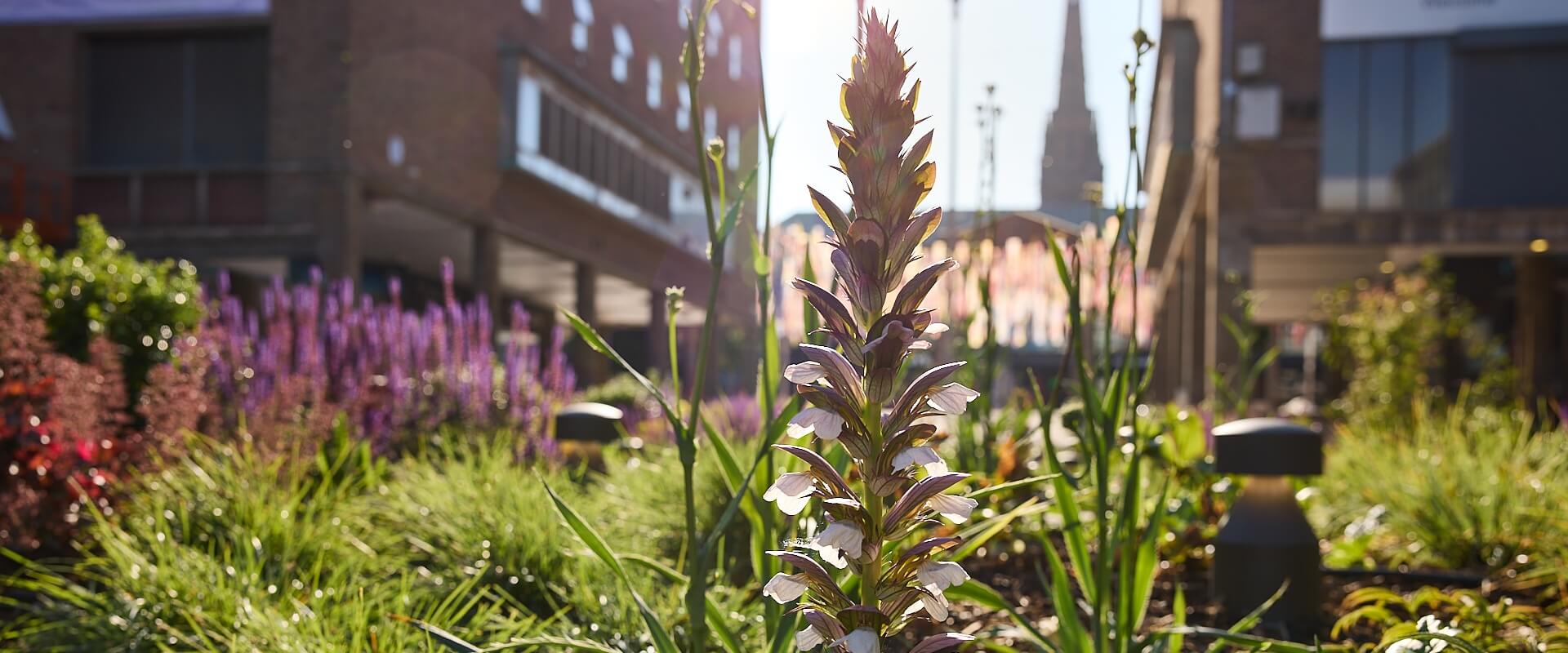
©Veronika Brannovic
Torfaen County Borough Council
Torfaen seeks to enable nature and communities to thrive via a masterplan, which will create accessible, resilient, and well-connected networks of urban green and blue spaces across the borough's three town centres. It will look to build lasting capacity through training, work experience placements, and access to expertise in landscape planning, ecology, and nature-based solutions.
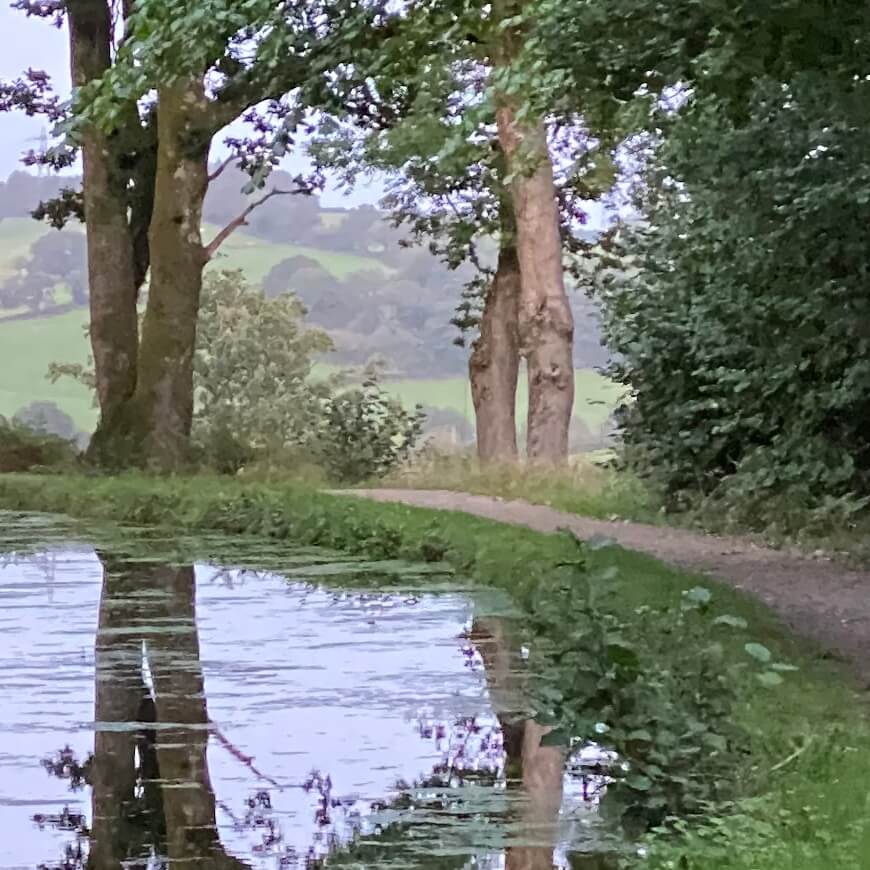
©National Trust Images / Paul Harris
Neath Port Talbot County Borough Council
Led by a dedicated team of wildlife specialists, "Nature's Back in Town" is a new approach to urban nature recovery. This project will revitalise green spaces in one of Wales' most nature-deprived areas, creating a practical roadmap for Port Talbot's environmental future, enhancing biodiversity and climate resilience. A green infrastructure strategy will be co-created with communities, changing how they interact with nature in their daily lives and giving them a lasting sense of ownership over their local environment.
Scotland
©Fife Council
Transforming Fife's Greenspace
Fife Council is planning to transform its urban green spaces to enhance climate resilience, boost tourism, enrich local culture, and improve the health and wellbeing of its communities. A strong commitment to community co-design runs through the plans. In particular, the project will identify solutions to improve access to green space for marginalised groups, such as people in poverty, refugees and those with disabilities.
©National Trust Images / Rebecca Hughes
NL Nearer to Nature
This groundbreaking initiative will ensure voices from people in the North Lanarkshire area have a say in shaping its greener future. With the construction of an "environmental justice map" and co-creation with residents, this work will help prioritise investment and develop designs for 18 projects to enhance existing natural networks and create habitat connections.
Northern Ireland
©National Trust Images / Paul Harris
Belfast City Council
This project will co-design a blueprint for nature recovery across the city and surrounding areas, including the Lagan Valley Regional Park and the Belfast Hills. Existing green and blue spaces will transition to planting and designs that have a nature and climate emphasis and opportunities will be explored to green the grey within the built environment. There’ll be a focus on areas of need under the Belfast EJI (Equal Justice Initiative) and the network of alleyways and peace walls, as well as emerging active travel routes.