Nature makers: The Wildlife Trusts
12-02-2026
Meet the nature makers
Case study
12-02-2026
Meet the nature makers
Case study
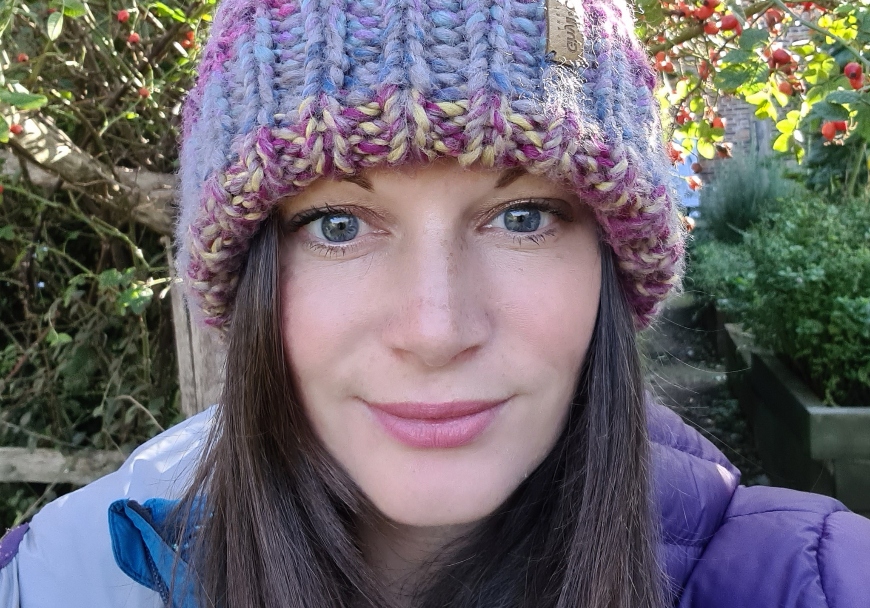
Community Organising Manager at the Royal Society of Wildlife Trusts
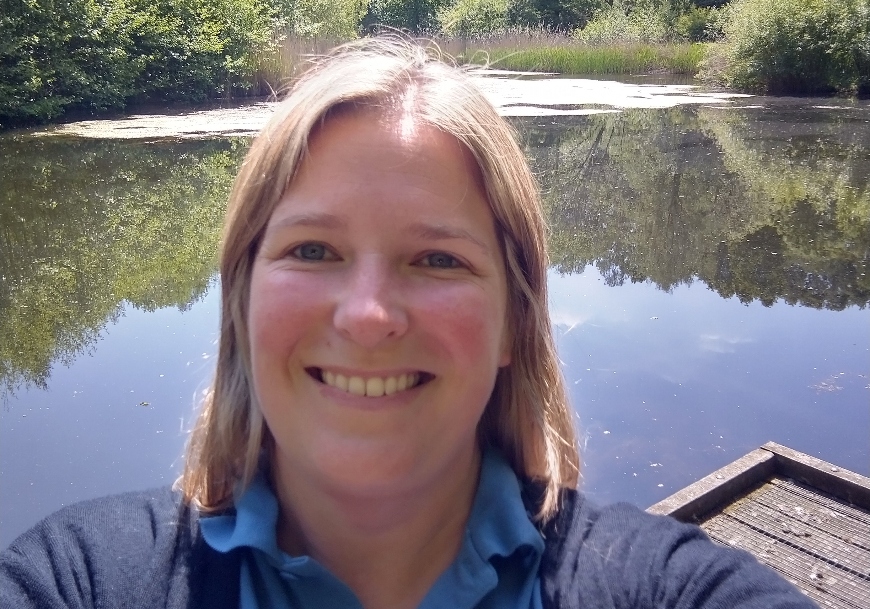
Senior Engagement Manager at Hampshire and Isle of Wight Wildlife Trust
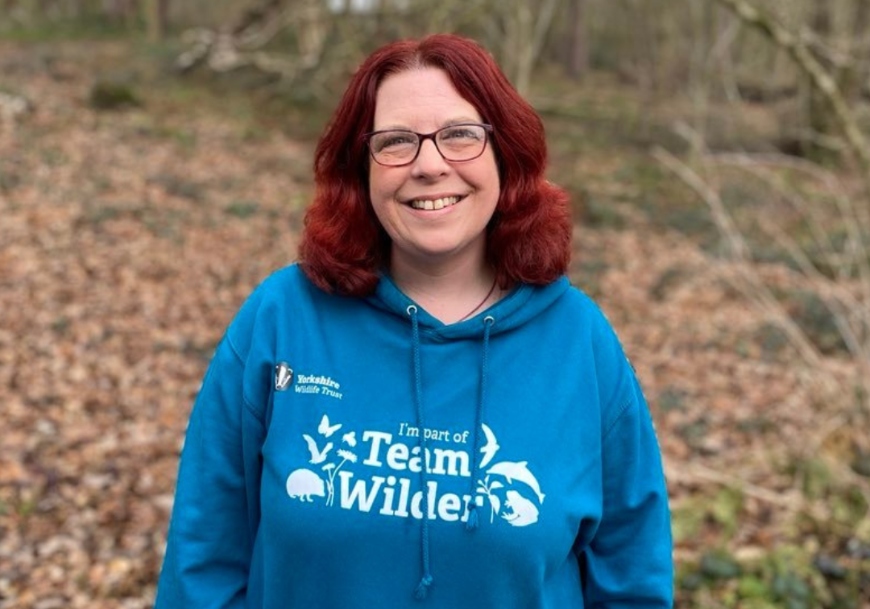
Community Engagement Manager at Yorkshire Wildlife Trust
The Wildlife Trusts are changing the narrative and giving local people the leading role. To deliver ambitious goals for nature and climate, they supported communities to come together and help green spaces recover and grow.
In 2022 The National Lottery Heritage Fund (Heritage Fund) awarded The Wildlife Trusts £5 million to test a nationwide community organising programme. For nearly three years, ‘Nextdoor Nature’ reconnected new and existing groups with nature in thousands of communities, with hundreds still continuing the work today.
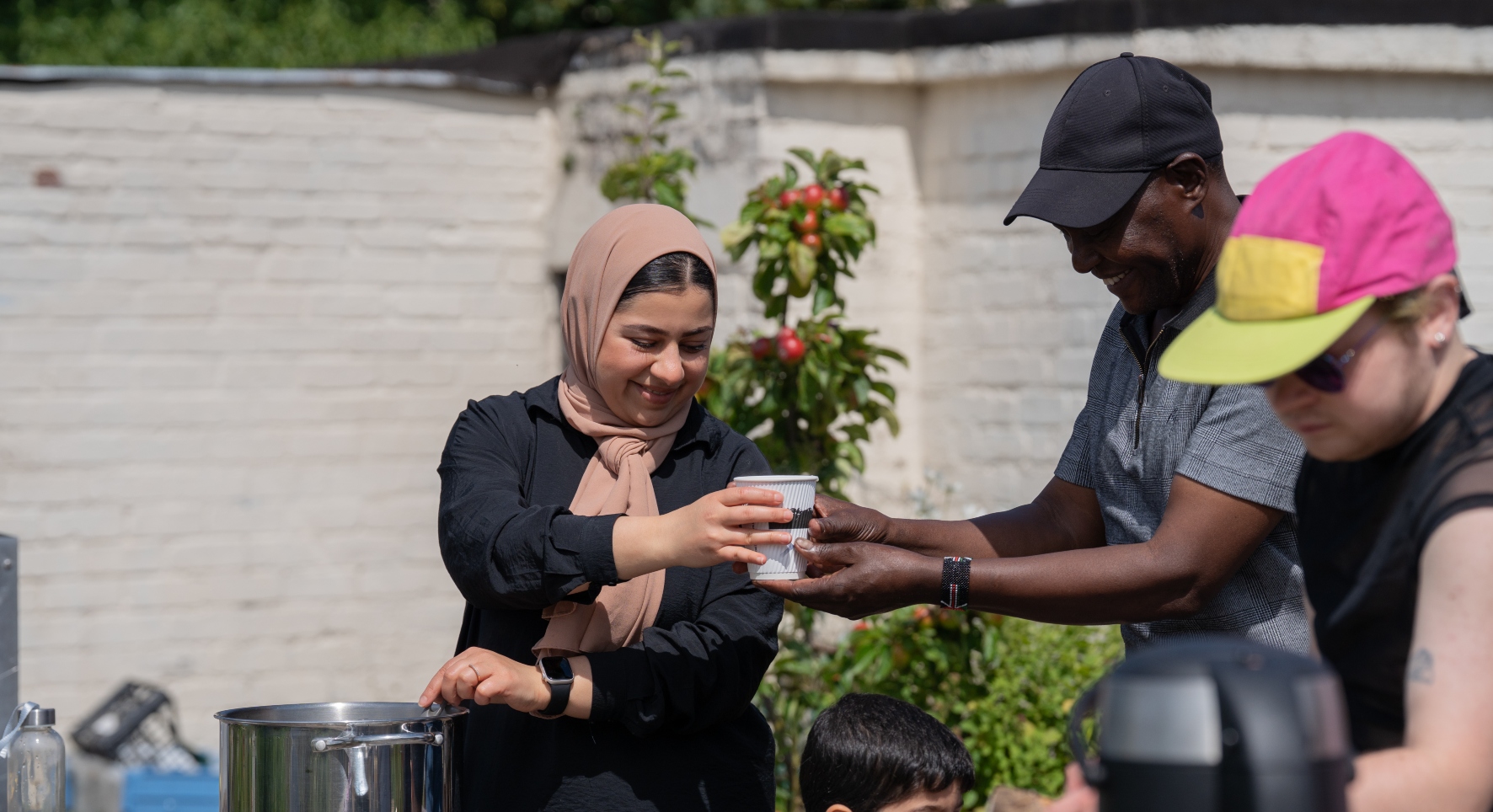
For the first time, nature wasn’t the main character for The Wildlife Trusts. New ‘community organiser’ roles, created in 44 Trusts across the UK, initiated new ways of working that shone the spotlight on people. Through this model, communities were supported to connect, learn new skills and feel happier, healthier and prouder of where they live, work and play.
It’s safe to say that putting social benefits centre stage was a big culture shift for the UK’s largest voluntary wildlife conservation organisation.
Bryony, Dawn and Jo talk to us about how The Wildlife Trusts made the move from nature to people through community organising, and how it’s been embedded in their work for nature recovery for the long term.
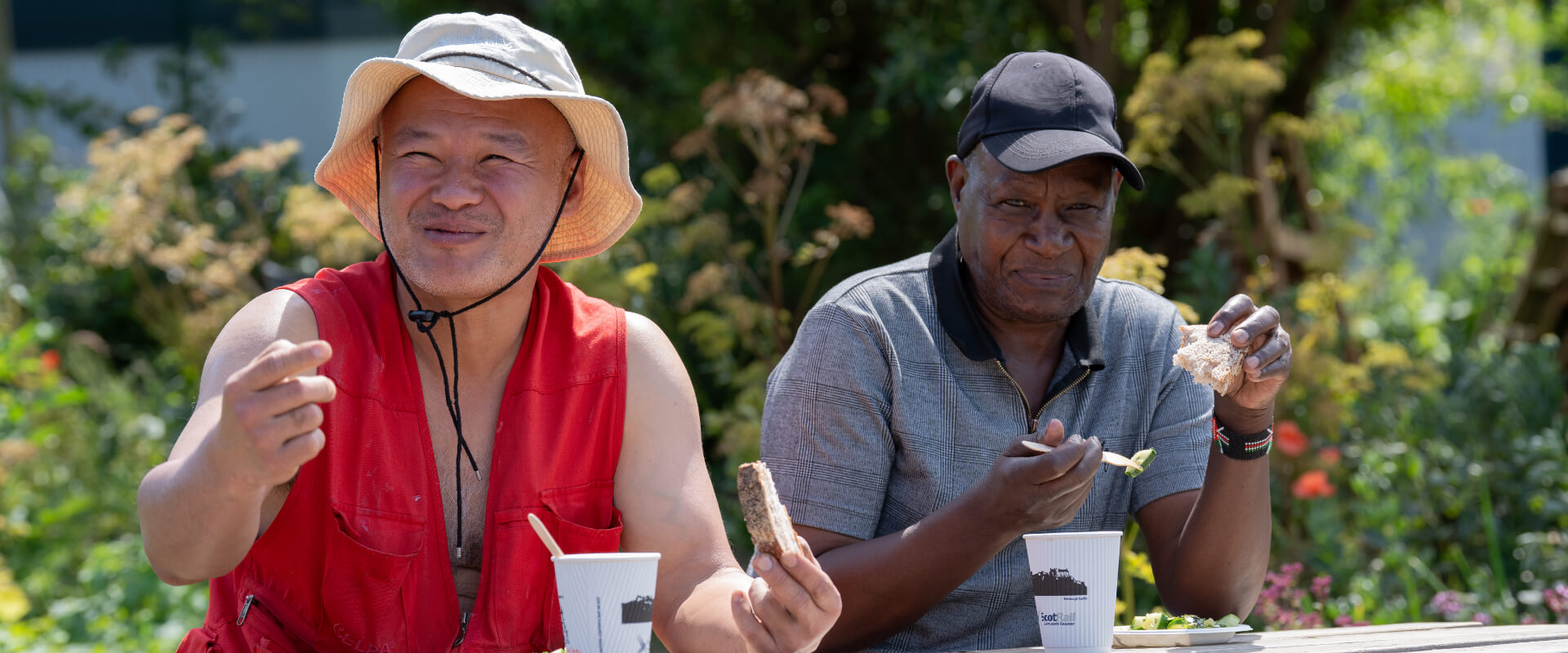
‘Community organising’ describes a way of working with a community. It starts with ‘community organisers’ knocking on doors and listening to the people who live and work in a local area. Together they discuss what the community cares about and wants to do. By focusing on what’s strong, not what’s wrong, community organisers can give practical help and support to help them reach their goals.
Embracing a new way of working may seem like a real plot twist. But the time was right for change at The Wildlife Trusts. Bryony, Dawn and Jo share four reasons why a community organising approach fit with their organisational goals.
So what are the nuts and bolts of rolling out a community organising model on a nationwide scale?
To help you create your own action plan, here are some helpful insights from Bryony, Dawn and Jo.
Have the confidence to recruit people with different skills and more diverse experience.
“We employed a real mix of people that had never worked in wildlife in their lives,” Bryony says, “some from NHS backgrounds, some from community development backgrounds and some worked in race relations or with asylum seekers.”
“They came in with a completely different perspective and a grounded understanding of what a ‘community organiser’ is. It was an absolute game changer.”
Community organisers were given time and space to connect with community services, groups and individuals in different ways.
“Our community organiser went in with no agenda” says Dawn, “we’re trying to avoid pre-determined targets and see where they want to take it.”
They started by actively listening, through relaxed conversations with people about their needs, wants and challenges. The community organisers knocked on doors, went to events, took part in meetings and ran workshops. And the more they heard, the better they understood who was interested in getting involved in what.
As well as listening, local teams used data through community mapping to help join the dots and identify places with the highest need for people and nature.
“We looked at Friends of the Earth’s map showing access to green space. It identified Hull, Doncaster, Bradford and Huddersfield as our focus areas” says Jo. “ Those areas stand out as being red and amber, showing an opportunity to reach people who maybe aren’t as connected to nature and don’t have access to green space in quite the same way.”
Local strategies, such as Joint Strategic Needs Assessments (JSNA), can also help draw out areas that could really benefit from support.
Community organisers are there to build power with people so they can take action for themselves. Here are just some of the ways they provided facilitation, motivation and education:
Dawn explains, “We go in, provide inspiration and initial support, and then we slowly step back.”
Community organising was new and different for The Wildlife Trusts. As it was important everyone understood what they were working towards, 200 members of staff were formally trained – taking the accredited National Academy of Community Organising (NACO) Level 3 Award in Community Organising.
They then went on to develop a ‘train the trainer’ scheme to embed this learning, with flexibility to evolve it as individual and organisational needs change over time.
“We brought key champions together to develop the train the trainer scheme,” enthuses Bryony, “then we trained up colleagues from across The Wildlife Trusts. It’s kept the momentum going, even though Nextdoor Nature has officially ended.”
The local council is an integral part of the partnership between the local Trust, people, groups, schools and businesses. Good relationships here can open doors for community projects.
“Portsmouth City Council – particularly the Public Health team – were very aligned to our way of thinking” recalls Dawn, “They were really on board with our new urgency and ambitions for more meaningful action for nature from? more people.
We had joint aspirations for making people happier, healthier and more resilient to climate change that came together really well.”
Internal teams collaborated in a number of ways, benefitting from each other’s knowledge and experience. These included:
Teams involved in Nextdoor Nature also had regular residentials to stay connected with each other and what was going on.
These included in-person residentials where teams met twice a year. There were learning opportunities such as looking at evaluation tools like ripple effects mapping, and time to chat, exchange ideas and boost morale.
As with any project that involves large-scale culture shift, there’s been some rainy days internally as well as outside. Bryony, Dawn and Jo share their thoughts on how to overcome the challenges that new ways of working bring.
The Nextdoor Nature project may have officially ended in 2024, but its legacy lives on.
The team highlight some of the ways community organising continues to deliver for people and nature through the ongoing work of local Wildlife Trusts and their communities.
The ethos of community organising is an integral part of The Wildlife Trusts’ Strategy 2030, driving the legacy of Nextdoor Nature forward.
“It’s a way of working, about connecting, listening and building trusted reciprocal relationships” says Bryony.
The Wildlife Trusts’ Strategy 2030 will see the federation embedding community organising across all their workstreams, putting people at the heart of all that they do.
“Yorkshire Wildlife Trust’s new strategy talks of generating hope, building power and taking action. We know that working collaboratively to create communities where people and nature can thrive together are key to bringing about nature’s recovery” says Jo.
The Wildlife Trusts will continue to take the benefits of community organising into even more neighbourhoods over the coming years. This work is brought together under the collective term ‘Team Wilder’.
“I don’t think Team Wilder would have the impact it has, had it not been for Nextdoor Nature” reflects Dawn, “because now we have team modelling work going on across all departments and it’s the well-understood way of working, built-in as standard.”
See Team Wilder at work through the Yorkshire Wildlife Trust
See Team Wilder at work through the Hampshire and Isle of Wight Wildlife Trust
Nextdoor Nature has clearly demonstrated to senior management the benefits of supporting communities to take the lead.
“I created an outcomes document that helped our senior leadership team and trustees to really get it” Jo says. “We’ve got staff in other teams who are being trained up as community organisers, who are then embedding that community organising approach into their projects.”
Bryony agrees, “We’ve had to get over so many barriers around perceptions that this is not conservation work – it is. There’s a lot of work being done now to help our nature recovery colleagues understand how they fit into this way of working.”
She continues, “Our journey has been seen and heard across the sector too, from director level to officers presenting to councils. We are not sugar-coating the process, and this is recognised by our peers outside The Wildlife Trusts who want to observe and understand.”
By shifting the spotlight from nature towards people, projects initiated and supported through Nextdoor Nature helped to unlock funding opportunities beyond the nature sector.
“We have moved beyond ‘come and do a team day with us and plant some trees and get a t-shirt’” underlines Bryony. “We can now show real, measurable impact in the community and on peoples’ lives.”
“When funders buy into our community organising work, it gives Trusts less restricted funding to go in and do development, building essential relationships” she adds.
Community-led work doesn’t fit neatly into short-term project timescales. “You’re only just really building trust and credibility then the funding ends” says Jo. “The Heritage Fund funding for was a catalyst for change, enabling us to invest in a new way of working where trust and relationships could develop at their own pace.”
Bryony tells us that Nextdoor Nature made everyone come alive to the fact that they’d been conditioned by short-term funding to work in a certain way. Now they’re thinking more long-term.
“We want to break the cycle and go into a relationship with a community saying, ‘I’m going to step away from you at the end of this, but I’m going to give you everything you need to do things for yourself’.”
She continues, “We want to push the funders and say it’s going to take us a year to develop a relationship, it’s then going to take us a further five years to get this up and running.”
It looks like this new way of thinking is paying dividends already. “Because we’ve been able to demonstrate the impact this new way of working is having, my team is going to be funded by The Sigrid Rausing Trust next year, which is really exciting” says Jo, “They fund amazing humanitarian work across the world, so we are humbled to have been approached by them.”
“We’ve also secured a significant public health contract in Bradford to work collaboratively across the city to deliver outcomes for people and nature over the next two-to-three years.”
At The Wildlife Trusts, it’s onwards and upwards for community organisers. “We are constantly evolving and we’re just about to embark on three further work streams. We’ve got a brilliant group of organisers now so it’s how do we evolve and upskill that into helping community leaders take more action” says Bryony.
In communities, it’s about partnership working and creating networks of support. Bringing people together to support each other and connecting groups with others who can support them.
Jo observes this shift in Yorkshire “All kinds of community groups that we were supporting through Nextdoor Nature are now supporting other new community groups that are coming together to take action for nature.”
Scotland’s Pioneers Programme is also a great example of how a local Trust is training the next generation of nature pioneers. Having started through Nextdoor Nature, it is now a free online course, reaching out to help even more people.
A live and easy-to-use digital tool for local Wildlife Trusts to capture qualitative data about how people are helping nature, and analyse it over time.
The app is firmly rooted in national research and behavioural science, and guided by M·E·L Research’s ‘Outcomes Progress Scale’.
eEach Trust can view a dashboard with their local data and the national view, helping them to spot patterns and draw insights about community action for nature.
The Community Hub connects local people who care about nature and gives them what they need to set up new community groups.
Full of guides, inspiration and stories, it is a direct output from Nextdoor Nature, with stories and advice from the many groups who took part in the programme, so that others can follow in their footsteps.
Visit the Community Hub
Discover more about community organising and find out what training opportunities are available for your local authority or organisation.
Leading organisation for community organising training, support and action in the United Kingdom.
Visit the website
Provides quality assured training and nationally recognised qualifications in community organising.
See the courses