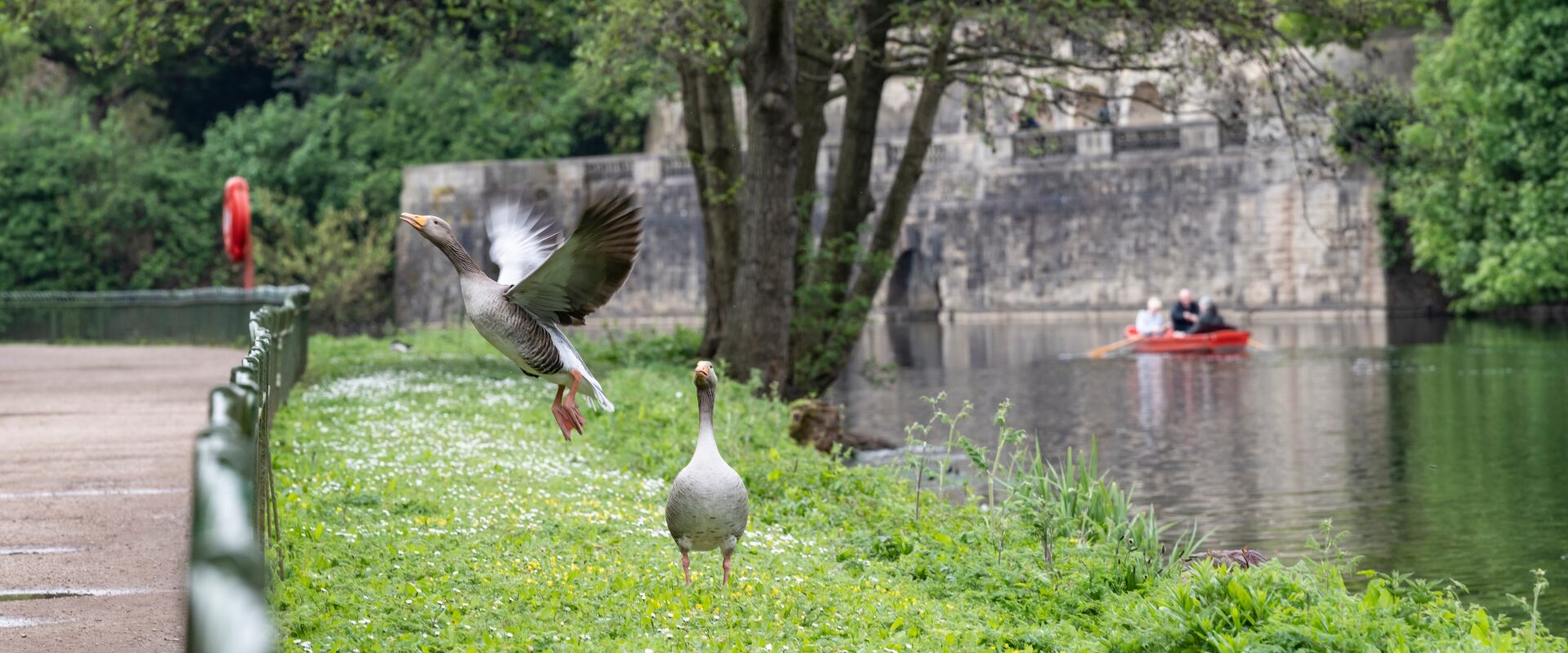
Two Canada geese waddle along the side of a parkland lake, with one just starting to take flights. A group of people in an orange rowing boat look on.
Orange illustration of a sparrowhawk.

Community guide to fundraising

19-03-2026

Guidance

Case study

Ready, set, fundraise...how community organisations can branch out into the world of fundraising.
Communities - Fundraising

©National Trust Images / Paul Harris

The best things in life…aren’t always free

Trees. Hedges. Meadows. Ponds. Essential urban infrastructure that bring countless benefits to people in built-up neighbourhoods across the UK.

Parks, green spaces and nature are the biggest source of pride for people living in towns and cities, with many citing a chance to connect with nature as one of the main benefits they bring.

Fundraising is one way that small organisations can connect more people to their local green and blue spaces, but it can be tricky to know where to start.

This guide brings together webinar highlights and slides from the Nature Neighbourhoods project. From public donations to grants, speakers give an overview of what fundraising is all about, to help community organisations get ready to bring more nature home.

This series was recorded in 2024 and is provided for general information only.
Fundraising fundamentals

Discover fundraising in all its forms, from types to models and streams.

Helen Shone​, as Fundraising Development Manager​ for the National Trust, talked about different approaches to fundraising with a spotlight on those most relevant to small charities or Friends Of groups. Highlights from the webinar look at what makes a good fundraising proposition, and the importance of being ‘fundraising ready’.

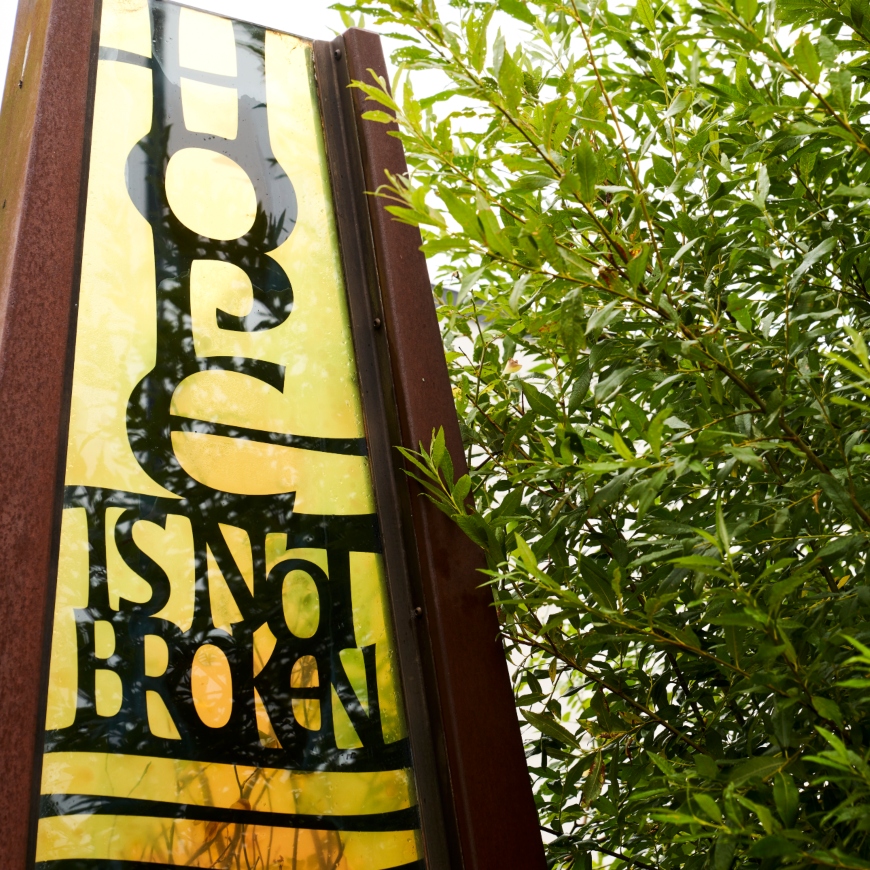
A large, golden sign looms along the left hand side of the image, with wooden frame and black lettering that says 'Hope is not broken'. Trees filter over the sign on the right.

©National Trust Images / Steve Sayers

Funding from statutory grants

Find out how to access funds from ‘public’ sources of money – otherwise known as statutory grants.

In this session, Kelly Thomas, as National Grants Manager for the National Trust, shared her top tips to access statutory grants and some of the main sources of them in the UK. She looks at the likely criteria for these types of grant and how to get under the skin of potential funders to strengthen your application.

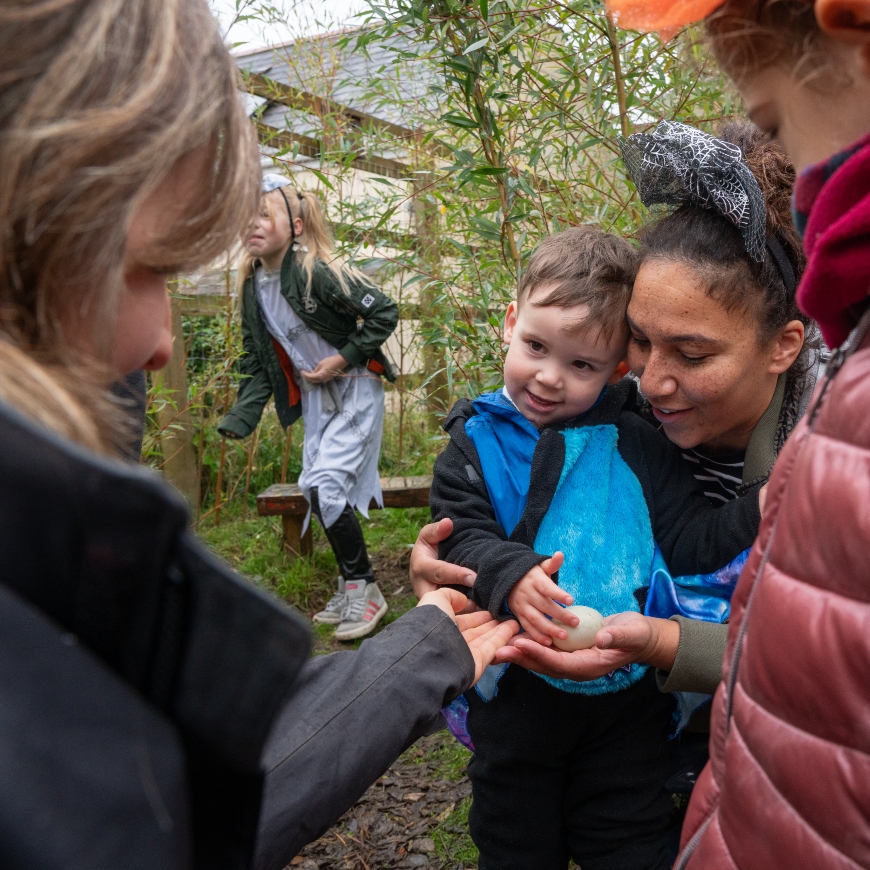
A little boy in a blue top smiles as he reaches out to touch a white chicken egg. He's being helped out by lady with a halloween-themed headpiece

©National Trust Images / Sophie Bolesworth

Fundraising through trusts and foundations

Learn what’s likely to make a trustee tick - and how to build long-term relationships with Trusts and Foundations.

In this session, Laurinda Luffman, Head of Trusts & Foundations at RSPB, looked at the importance of getting to know the people behind a Trust or Foundation. She discussed how to ‘sell’ your project and offered examples of a written application.

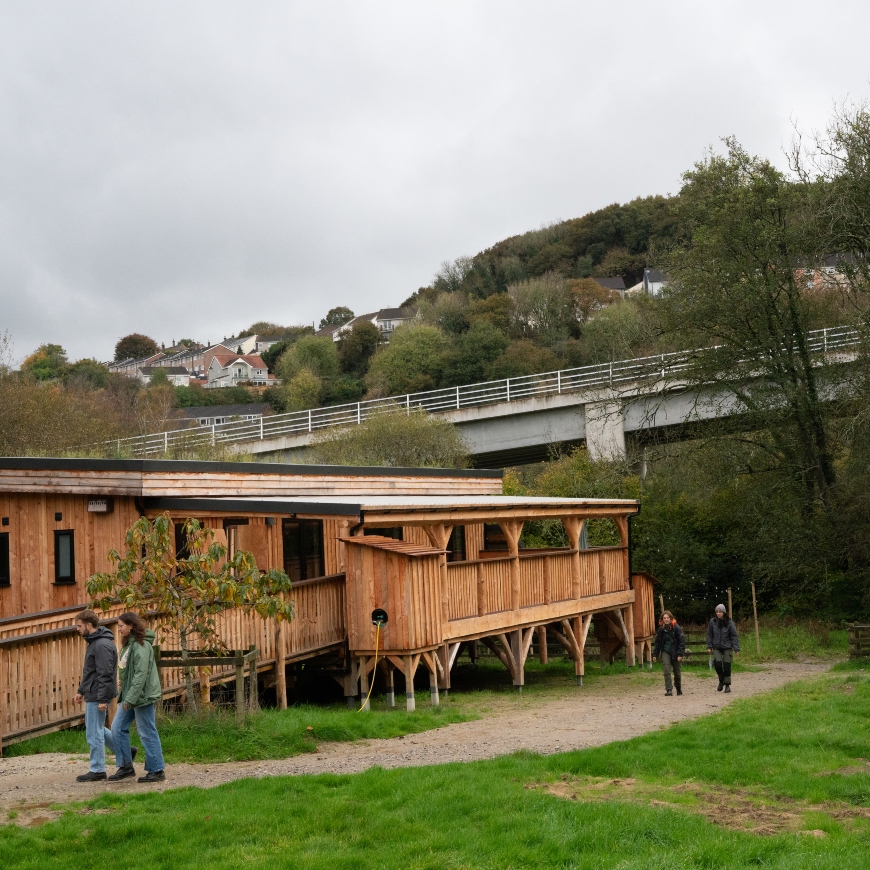
Young people walk in front of a large wooden building on stilts. It's situated in a city woodland, with trees, housing and a grey flyover cutting across the top of the image.

©National Trust Images / Sophie Bolesworth

Corporate fundraising

Get the insider view of how to secure donations from companies through corporate fundraising.

In this session, Fay Jackson, as Funding Partnerships Manager at The Co-op, and Catherine Marr, Senior Corporate Partnerships Manager at RSPB, share insider tips on what companies may look for in their corporate fundraising activity.

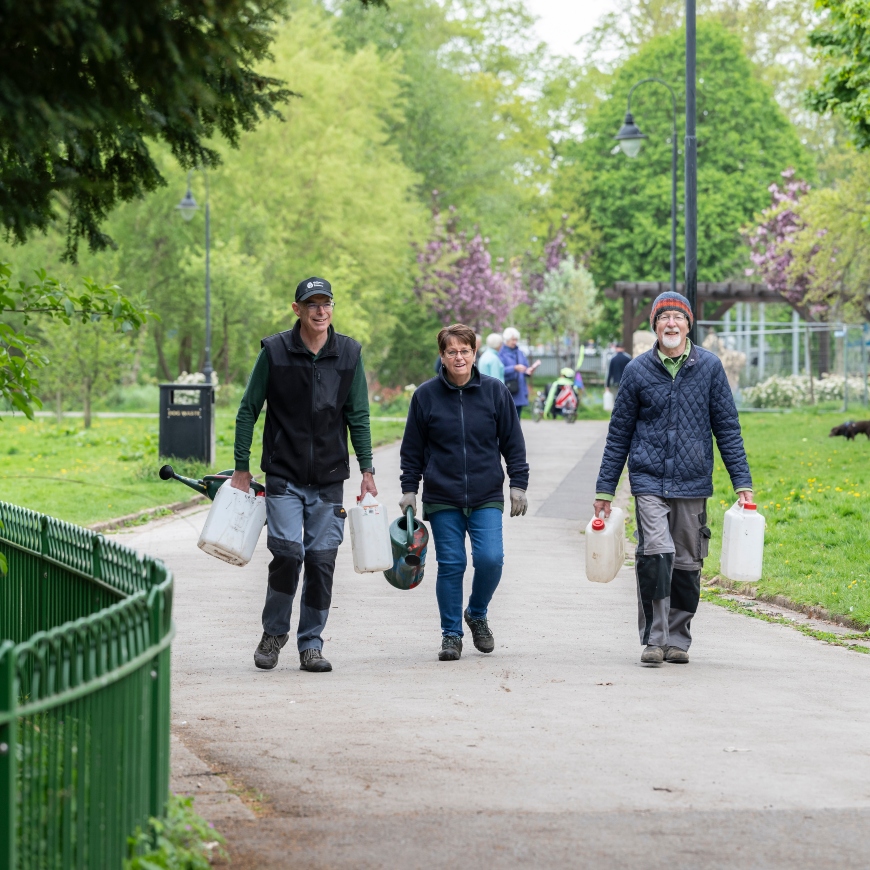
Three people strike through an urban parkland, carrying jerry cans. They look ready to get started with some hands-on tasks.

©National Trust Images / Paul Harris

Generating your own income

Discover the concept of ‘meanwhile use’ - the idea of making an income from assets such as spaces or buildings.

In this session, Casey Morrison, Volunteering & Participation Consultant for the National Trust, shared a toolkit for ‘meanwhile use’ when fundraising in local green spaces. The toolkit has activity ideas and examples of how to analyse their potential impact using SWOT (Strength, Weakness, Opportunity, and Threat). He also looked at ‘impact’ vs ‘do-ability’ mapping to help decide if a fundraising venture is right for you.

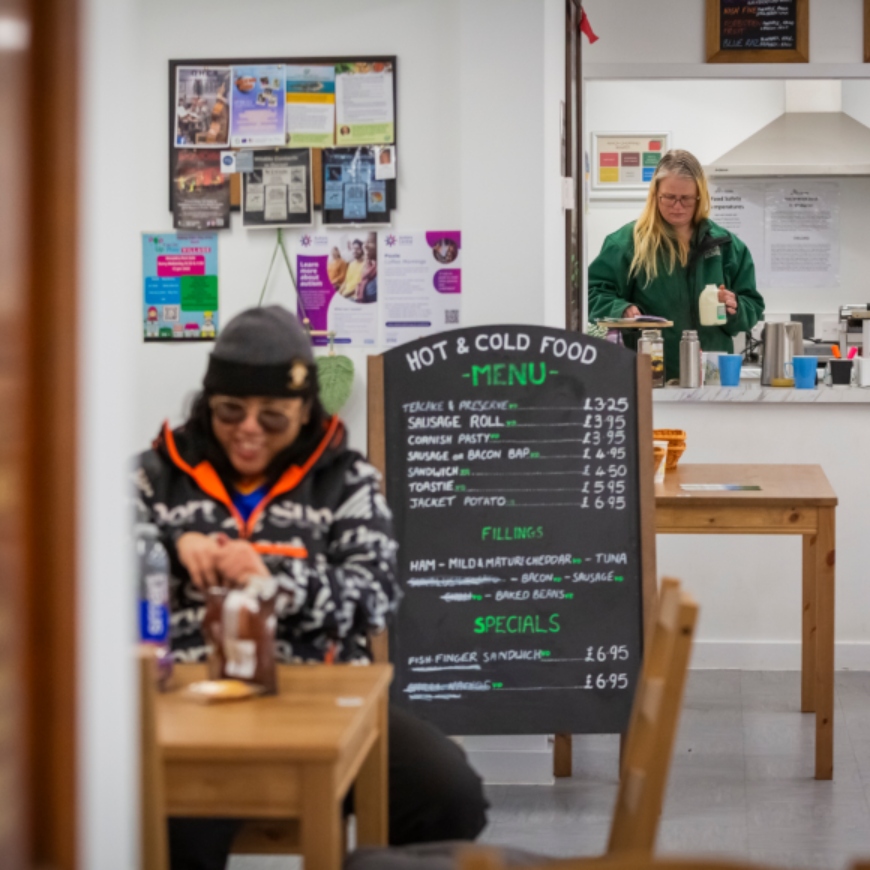
A lady in a black hat and raincoat tucks into a drink and snack at a cafe table. Behind her is a lady in a green fleece, preparing tea at a serving hatch.

©National Trust Images / James Dobson

Building a case for support

Learn how to help people understand why they might want to give to your cause in a compelling way.

In this session, Rory Crawford, Project Manager for the National Trust, offers ways to answer the key question: out of all the stories in the world, what makes yours unique? From setting the scene to explaining impact and fundamentals like costings and timelines, Rory looked at how to build a case for financial support and shared case studies from National Trust places to inspire your own.

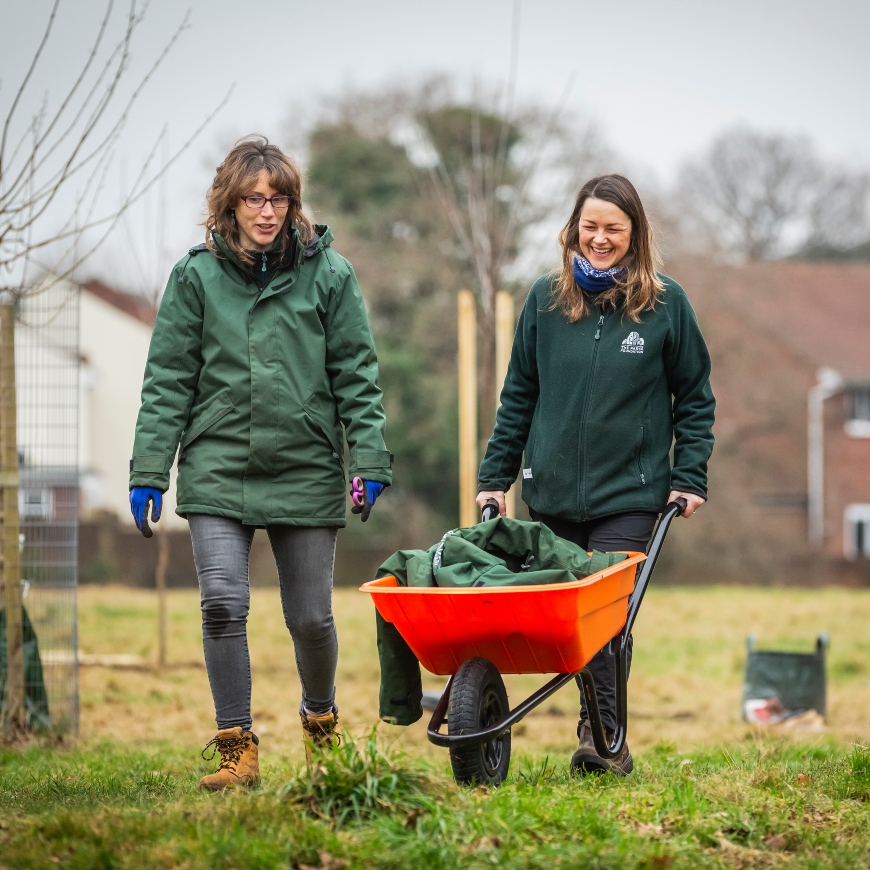
Two women, both in green, smile as they walk through a park field on a wintry day. They push a bright orange wheelbarrow, in stark contrast to the grey sky and spindly trees behind.

©National Trust Images / James Dobson

The article you have just read is part of a series created by Nature Neighbourhoods

Nature Neighbourhoods was a national partnership programme between the National Trust, RSPB and WWF, funded by the National Lottery Community Fund and the Co-op.

The programme’s big idea was to work alongside 18 community organisations over 2 years, helping them co-create people-powered plans for nature in their own neighbourhoods.

Each collaborative plan was firmly rooted in whatever nature and climate actions are most important to the people living and working there. And they were brought to life with Nature Neighbourhood’s funding, support and training.